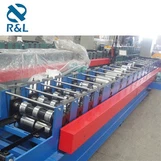
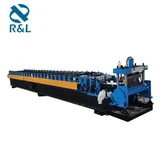
Hey there! As a supplier of corrugated forming machines, I'm stoked to walk you through the installation process of these nifty pieces of equipment. Whether you're a newbie in the manufacturing game or a seasoned pro looking to upgrade, understanding how to install a corrugated forming machine is key to getting the most out of it. So, let's dive right in!
Pre - installation Preparations
Before we even start unpacking the machine, there are a few things we need to take care of. First off, you gotta pick the right spot for the machine. It should be a flat surface, preferably on a solid concrete floor. This helps to keep the machine stable during operation, reducing vibrations and potential damage. Make sure there's enough space around the machine for easy access and maintenance. You don't want to be squeezing in like a sardine every time you need to check something.
Next up, we need to check the power supply. Corrugated forming machines usually run on electricity, so you'll need to have a power source that can handle the machine's electrical requirements. Check the voltage and amperage ratings specified in the machine's manual and make sure your power supply matches. It's also a good idea to have a dedicated circuit for the machine to avoid any power surges or disruptions.
Now, let's talk about the tools and equipment you'll need. You'll definitely need some basic hand tools like wrenches, screwdrivers, and pliers. A crane or a forklift might also be necessary to lift and move the heavy components of the machine. If you don't have these tools on - hand, you can rent them from a local equipment rental store.
Unpacking and Inspection
Once you've got everything ready, it's time to unpack the corrugated forming machine. Carefully remove the packing materials and inspect the machine for any visible damage. Look for dents, scratches, or any loose parts. If you find anything, make sure to document it and contact the manufacturer or supplier right away.
While you're unpacking, separate all the components of the machine. There will usually be a main frame, rollers, motors, and control panels. Lay them out in an organized manner so that you can easily identify and install each part later.
Assembly of the Main Frame
The main frame is the backbone of the corrugated forming machine. Start by assembling the frame according to the manufacturer's instructions. This usually involves bolting together the different sections of the frame. Make sure to use the correct size and type of bolts and tighten them properly. You don't want the frame to come apart during operation!
Once the frame is assembled, place it on the prepared floor surface. Use a level to ensure that the frame is perfectly horizontal. Adjust the leveling feet if necessary to achieve a level surface. A level frame is crucial for the proper functioning of the machine and for producing high - quality corrugated sheets.
Installation of Rollers
The rollers are what give the corrugated sheets their shape. Install the rollers onto the frame one by one. Make sure they are properly aligned and spaced according to the specifications. The alignment of the rollers is very important as it directly affects the quality of the corrugated sheets.
After installing the rollers, check their rotation. They should spin freely without any resistance. If you notice any binding or uneven rotation, you may need to adjust the bearings or the roller alignment.
Electrical Wiring
Now, it's time to do the electrical wiring. This is a critical step, so if you're not experienced with electrical work, it's best to hire a professional electrician. Follow the wiring diagram provided in the machine's manual to connect the motors, control panels, and other electrical components.
Make sure all the connections are secure and insulated to prevent any electrical hazards. Once the wiring is done, test the electrical system to ensure that all the components are working properly.
Hydraulic System Installation (if applicable)
Some corrugated forming machines come with a hydraulic system. If your machine has one, you'll need to install the hydraulic pump, cylinders, and hoses. Similar to the electrical wiring, follow the manufacturer's instructions carefully.
Fill the hydraulic reservoir with the recommended hydraulic fluid and check for any leaks. The hydraulic system plays an important role in the operation of the machine, so it's essential to make sure it's installed and functioning correctly.
Testing and Calibration
After all the components are installed, it's time to test the machine. Turn on the power and run the machine through a few test cycles without any material. Check for any abnormal noises, vibrations, or malfunctions.
Once the machine passes the initial test, it's time to calibrate it. This involves adjusting the speed, pressure, and other settings to produce corrugated sheets of the desired specifications. You may need to make several adjustments and test runs to get the perfect settings.
Training and Maintenance
After the installation and testing are complete, it's important to train your operators on how to use the corrugated forming machine safely and effectively. Provide them with the machine's manual and go over the operating procedures, safety guidelines, and maintenance requirements.
Regular maintenance is also crucial for the long - term performance of the machine. This includes cleaning the machine, lubricating the moving parts, and checking for any signs of wear and tear. Follow the maintenance schedule recommended by the manufacturer to keep the machine in top condition.
Related Machines
If you're in the manufacturing industry, you might also be interested in other types of machines. For example, the Shutter Door Machine is great for producing high - quality shutter doors. The Purlin Making Machine is essential for making purlins, which are widely used in construction. And the Roof Sheet Making Machine can help you produce various types of roof sheets.
Conclusion
Installing a corrugated forming machine might seem like a daunting task, but with the right preparations, tools, and knowledge, it can be a smooth process. By following the steps outlined above, you can ensure that your machine is installed correctly and ready to produce high - quality corrugated sheets.
If you're interested in purchasing a corrugated forming machine or have any questions about the installation process, feel free to reach out to us. We're here to help you every step of the way.


References
- Manufacturer's Manual of Corrugated Forming Machine
- Industry Best Practices for Machine Installation