

In the world of metal fabrication, the question of whether a rollformer can be used for making complex shapes is one that often arises. As a rollformer supplier, I've encountered this query numerous times from clients across various industries. In this blog post, I'll delve into the capabilities of rollformers when it comes to creating complex shapes, exploring the technology, limitations, and real - world applications.
Understanding Rollforming Technology
Rollforming is a continuous bending operation in which a long strip of metal, typically coiled steel, is passed through consecutive sets of rolls, each performing an incremental bend until the desired cross - sectional shape is achieved. The basic principle behind rollforming is relatively straightforward. The strip enters the machine at one end and is gradually shaped as it moves through a series of roll stations.
The simplicity of the rollforming process has made it a popular choice for mass - producing long, straight metal profiles with a consistent cross - section. Traditional rollforming applications include roofing sheets, wall panels, and simple structural components. For instance, our Roof Sheet Roll Forming Machine is designed to produce high - quality roofing sheets with a standard profile, which are widely used in the construction industry.
Can Rollformers Create Complex Shapes?
The short answer is yes, rollformers can be used to make complex shapes, but it comes with certain considerations. In recent years, advancements in rollforming technology have expanded the range of shapes that can be produced. With the use of computer - controlled systems, servo - driven rolls, and innovative tooling designs, modern rollformers are capable of creating intricate profiles that were once thought impossible.
Design Considerations
When it comes to creating complex shapes, the design phase is crucial. Engineers need to carefully analyze the geometry of the desired shape to determine the feasibility of rollforming. Factors such as the radius of curvature, the number of bends, and the thickness of the material all play a role in the design process. For example, sharp bends or sudden changes in the cross - section may require additional tooling or intermediate forming steps.
Tooling and Machine Customization
To produce complex shapes, specialized tooling is often required. The rolls need to be precisely machined to match the contour of the desired profile. In some cases, custom - designed rolls may need to be created for each unique shape. Additionally, the rollforming machine may need to be customized to accommodate the specific requirements of the complex shape. This could involve adjusting the number of roll stations, the spacing between the rolls, or the speed of the machine.
Material Selection
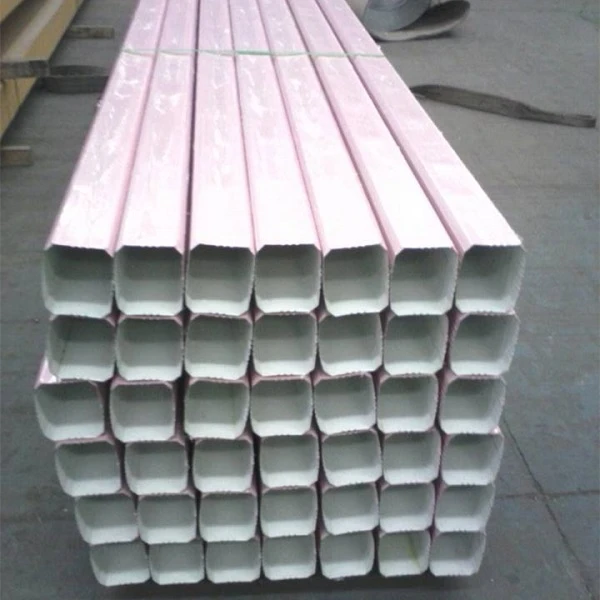
The choice of material also affects the ability to create complex shapes. Different metals have different formability characteristics. For example, aluminum is generally more malleable than steel, making it easier to form complex shapes. However, steel offers greater strength and durability, which may be required for certain applications. Our Downpipe Machine can work with a variety of materials, allowing clients to choose the most suitable option for their specific needs.
Real - World Applications of Complex Rollformed Shapes
There are several industries that benefit from the ability to produce complex rollformed shapes.

Automotive Industry
In the automotive sector, rollformed components are used in a variety of applications. Complex rollformed shapes can be found in door frames, window channels, and structural reinforcements. These components need to have precise dimensions and high strength to meet the safety and performance requirements of modern vehicles.
Aerospace Industry
The aerospace industry also relies on rollformed parts for various applications. Complex rollformed shapes are used in aircraft frames, wing components, and interior structures. The ability to produce lightweight yet strong components is essential in this industry, and rollforming offers a cost - effective solution for manufacturing these parts.
Furniture Industry
In the furniture industry, rollformed metal components are used to create unique and stylish designs. Complex shapes can be used for chair frames, table legs, and decorative elements. The flexibility of rollforming allows furniture designers to bring their creative ideas to life.
Limitations of Rollforming for Complex Shapes
While rollforming can be used to create complex shapes, it does have some limitations.
Length and Straightness
Rollforming is best suited for producing long, straight profiles. Creating complex shapes that require significant curvature or irregular lengths can be challenging. In some cases, additional post - forming operations may be required to achieve the desired shape.
Complex Geometries
Shapes with extremely complex geometries, such as those with multiple overlapping curves or internal cavities, may be difficult to produce using rollforming alone. In these cases, other manufacturing processes, such as stamping or machining, may need to be combined with rollforming to achieve the final shape.
Conclusion
In conclusion, a rollformer can indeed be used to make complex shapes, thanks to advancements in technology and innovative design approaches. However, it requires careful planning, specialized tooling, and a thorough understanding of the material and the manufacturing process. As a rollformer supplier, we have the expertise and experience to help our clients navigate these challenges and produce high - quality complex rollformed parts.
If you're interested in learning more about our rollforming capabilities or have a specific project in mind, we'd love to hear from you. Whether you need a Roof Sheet Roll Forming Machine, a Downpipe Machine, or a Water Tank Making Machine, our team of experts can provide you with customized solutions. Contact us today to start the conversation about your rollforming needs.
References
- "Roll Forming Technology" by David A. Roisum
- "Metal Forming Handbook: Processes and Applications" edited by G. E. Dieter


