Hey there! As a supplier of Metal Roofing Roll Formers, I often get asked about the maximum width of metal sheet these machines can handle. It's a super important question, especially if you're in the roofing business or looking to invest in a roll former. So, let's dive right in and explore this topic.
Understanding Metal Roofing Roll Formers
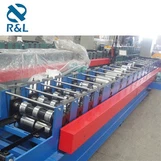
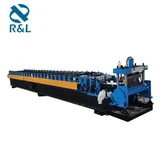
First off, what exactly is a metal roofing roll former? It's a machine that takes a flat metal sheet and bends it through a series of rollers to create a specific profile, like the corrugated shape you often see on metal roofs. These machines are pretty amazing because they can produce long, continuous lengths of roofing panels with high precision and efficiency.
There are different types of metal roofing roll formers out there, from manual ones for small - scale projects to fully automated industrial machines. The type of machine you choose depends on your production needs, budget, and the kind of roofing profiles you want to make.


Factors Affecting the Maximum Width
Now, let's talk about what determines the maximum width of a metal sheet a roll former can handle. There are several key factors at play here.
Machine Design and Structure
The physical design of the roll former is a major factor. The width of the frame and the spacing between the rollers are crucial. A wider frame and appropriately spaced rollers can accommodate wider metal sheets. For example, industrial - grade roll formers are usually built with a sturdier and wider frame to handle larger sheets. These machines are designed to withstand the forces exerted when forming wide sheets, so they have a higher maximum width capacity.
Roller Size and Configuration
The size and arrangement of the rollers also matter. Larger rollers can generally handle wider sheets because they provide more surface area for the metal to come in contact with. Additionally, the way the rollers are configured (the number of rollers and their angle) affects how well the machine can form the metal. A well - designed roller configuration can ensure that the metal is bent evenly across its width, even for wider sheets.
Power and Torque
The power and torque of the roll former's motor are essential. Forming wider metal sheets requires more force, so a machine with a more powerful motor can handle wider materials. If the motor doesn't have enough power, it might struggle to bend the metal or could even cause the machine to stall. This is why high - capacity roll formers often come with high - powered motors to ensure smooth operation when working with wide sheets.
Material Thickness and Type
The thickness and type of the metal sheet itself also impact the maximum width. Thicker sheets are harder to form, so for a given roll former, the maximum width it can handle will be less if the sheet is thick. Different types of metals also have different properties. For instance, aluminum is more malleable than steel, so a roll former might be able to handle a wider sheet of aluminum compared to steel of the same thickness.
Typical Maximum Widths
So, what are the typical maximum widths that metal roofing roll formers can handle? Well, it varies widely depending on the type of machine.
Small - Scale and Manual Roll Formers
Small - scale or manual roll formers, which are often used for DIY projects or small construction jobs, usually have a maximum width capacity of around 12 to 24 inches (30 to 60 cm). These machines are more compact and have less power, so they're limited in the width of the sheets they can handle.
Medium - Sized Industrial Roll Formers
Medium - sized industrial roll formers, commonly used in medium - scale roofing production facilities, can typically handle sheets up to 48 inches (120 cm) wide. These machines strike a balance between size, power, and cost, making them a popular choice for many roofing businesses.
Large - Scale Industrial Roll Formers
The big players in the industry, large - scale industrial roll formers, can handle sheets that are 60 inches (150 cm) or even wider. These heavy - duty machines are designed for high - volume production and are capable of forming wide sheets with great precision. They're often used by large roofing manufacturers who need to produce large quantities of wide roofing panels.
Benefits of Using Wide Metal Sheets
Using wide metal sheets in roofing has several advantages.
Faster Installation
Wide sheets mean fewer seams on the roof. When installing a roof, each seam is a potential point of leakage and requires additional sealing. With wider sheets, there are fewer seams to deal with, which speeds up the installation process. This can save a lot of time and labor costs, especially for large roofing projects.
Reduced Material Waste
When using wide sheets, there's less waste because you can cover more area with each sheet. In contrast, using narrower sheets might result in a lot of leftover material that can't be used effectively. This not only saves on material costs but also is more environmentally friendly.
Aesthetics
Wide roofing panels can give a smoother, more streamlined look to a building. They create fewer visible lines on the roof, which can enhance the overall appearance of the structure.
Limitations and Considerations
While wide sheets offer many benefits, there are also some limitations and considerations.
Handling and Transportation
Wider sheets are heavier and more difficult to handle and transport. You need specialized equipment to move them around safely. This can add to the overall cost of the project, especially if you're working on a site with limited access.
Cost
Roll formers that can handle wider sheets are usually more expensive. The larger size, more powerful motor, and sturdier construction all contribute to a higher price tag. Additionally, wider metal sheets themselves might be more costly per square foot compared to narrower ones.
Related Roll Forming Machines
If you're interested in other types of roll forming beyond metal roofing, there are some related machines you might want to check out. For example, Sheet Roll Forming can be used for various applications, not just roofing. There's also the Cable Tray Roll Forming Machine which is designed to create cable trays, and the Gutter Forming Machine for making gutters.
Conclusion
In conclusion, the maximum width of a metal sheet a metal roofing roll former can handle depends on several factors, including machine design, roller size, power, and the type of metal. Small - scale roll formers can handle sheets up to 24 inches wide, while large - scale industrial machines can manage 60 inches or more. Using wide sheets has its benefits in terms of installation speed, waste reduction, and aesthetics, but there are also limitations related to handling and cost.
If you're in the market for a metal roofing roll former and have questions about the maximum width it can handle or any other aspect of our products, don't hesitate to reach out. We're here to help you find the perfect roll former for your needs. Whether you're a small - time contractor or a large - scale roofing manufacturer, we've got a solution for you. Contact us today to start a discussion about your roll forming requirements and see how we can assist you in your roofing projects.
References
- Metal Forming Handbook: A Comprehensive Guide to Metalworking Processes
- Industry reports on metal roofing roll formers and their capabilities