

When it comes to the construction and roofing industry, the efficiency and mobility of equipment play a crucial role. As a supplier of Metal Roofing Roll Formers, I often encounter inquiries about the ease of transporting these machines. In this blog post, I will delve into the various aspects of transporting a Metal Roofing Roll Former, including its design, size, weight, and the available transportation methods.
Design and Structure of Metal Roofing Roll Formers
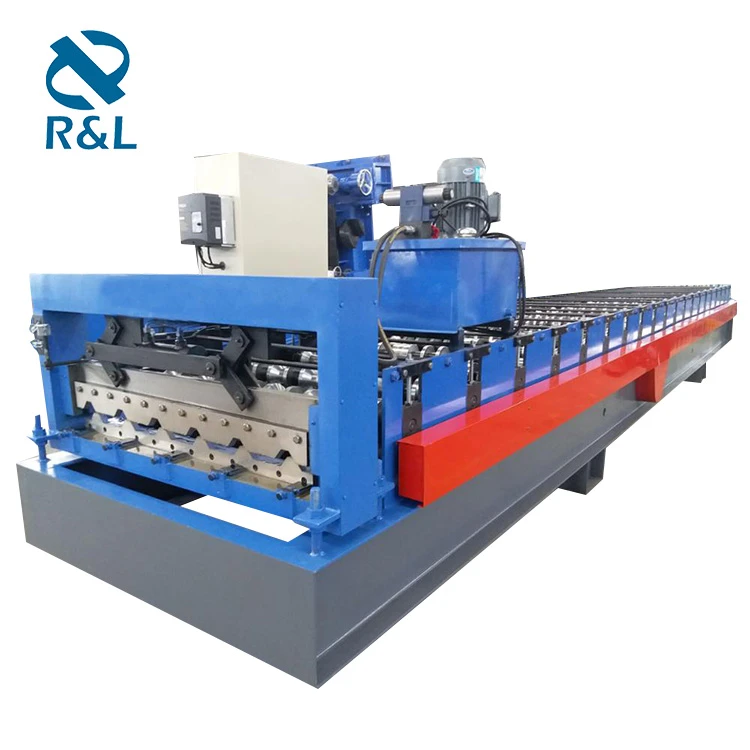
Metal Roofing Roll Formers are engineered to transform flat metal sheets into pre - designed roofing profiles. Their design is a key factor influencing their transportability. Modern Metal Roofing Roll Formers are typically modular in design. This modularity allows the machine to be disassembled into smaller, more manageable parts. For example, the forming stations, which are responsible for shaping the metal sheets, can often be detached from the main frame. The control panel, another significant component, can also be removed separately. This disassembly process significantly reduces the overall size and complexity of the machine during transportation.
Moreover, the frames of these machines are often made from high - strength steel, which provides durability while keeping the weight relatively in check. The use of lightweight yet sturdy materials is a deliberate design choice to enhance both the performance of the machine on - site and its transportability.
Size and Dimensions
The size of a Metal Roofing Roll Former can vary widely depending on its production capacity and the complexity of the profiles it can create. Small - scale roll formers, designed for smaller roofing projects or for use in more confined spaces, can be relatively compact. These machines may have a footprint similar to that of a large industrial cabinet, making them easier to move around. They can often be transported in a standard pickup truck or a small enclosed trailer.
On the other hand, large - scale industrial Metal Roofing Roll Formers, which are capable of high - volume production, are much larger. They can have lengths of up to 20 feet or more and heights that require a certain amount of vertical clearance. Transporting these large machines usually requires specialized equipment such as flatbed trucks or low - boy trailers. However, even for these larger models, the modular design mentioned earlier helps in reducing the overall size during transit.
Weight Considerations
Weight is a critical factor in determining the ease of transporting a Metal Roofing Roll Former. The weight of the machine depends on its size, construction materials, and the number of components. Smaller roll formers can weigh anywhere from a few hundred pounds to a couple of thousand pounds. These lighter machines can be loaded onto a vehicle using a forklift or a small crane.
Larger industrial roll formers, due to their heavy - duty construction and larger components, can weigh several tons. Specialized equipment is required for loading and unloading these heavy machines. For instance, a large - capacity crane may be needed to lift the machine onto a flatbed truck. Additionally, the weight of the machine also affects the choice of transportation vehicle. Trucks with higher load - bearing capacities must be selected to ensure safe and legal transportation.
Transportation Methods
There are several transportation methods available for Metal Roofing Roll Formers, each with its own advantages and limitations.
Local Transportation
For local deliveries within a city or a nearby region, trucks are the most commonly used mode of transportation. As mentioned earlier, smaller roll formers can be transported in pickup trucks or small enclosed trailers. These vehicles offer flexibility in terms of route selection and can easily access construction sites. Larger roll formers are transported on flatbed trucks. Flatbed trucks provide a large, open - air platform for loading the machine, and they can be easily loaded and unloaded using a crane.
Long - Distance Transportation
When it comes to long - distance transportation, especially across states or countries, shipping containers or specialized freight carriers are often used. Shipping containers are a popular choice as they provide protection from the elements and can be easily transferred between different modes of transportation, such as trucks, trains, and ships. Specialized freight carriers, on the other hand, have the expertise and equipment to handle the transportation of large and heavy machinery. They ensure that the machine is properly secured and protected during the long journey.

Challenges and Solutions in Transportation
Despite the efforts made in designing Metal Roofing Roll Formers for easy transport, there are still some challenges that need to be addressed.
Road Restrictions
One of the main challenges is road restrictions. Different regions have different regulations regarding the size and weight of vehicles on the roads. Oversized or overweight loads may require special permits, which can be time - consuming and costly to obtain. To overcome this challenge, as a supplier, we work closely with transportation companies that are familiar with local regulations. They can plan the route in advance and ensure that all necessary permits are obtained.
Damage During Transit
Another challenge is the risk of damage during transit. The machine's components, especially the forming rollers and the control panel, are sensitive and can be easily damaged if not properly secured. To mitigate this risk, we use high - quality packing materials such as foam padding and wooden crates to protect the machine. Additionally, we ensure that the machine is properly strapped down on the transportation vehicle to prevent movement during transit.
Other Related Roll Forming Machines
In addition to Metal Roofing Roll Formers, we also supply other types of roll forming machines, such as Gutter Forming Machine and Roof And Wall Panel Roll Forming Machine. These machines also have their own transport requirements, but many of the principles discussed above apply to them as well. Our Chinese Roll Forming Machine series is known for its high - quality and cost - effectiveness, and we ensure that they are also transported safely and efficiently.
Conclusion
In conclusion, while a Metal Roofing Roll Former can present some challenges in terms of transportation due to its size, weight, and the need for specialized handling, modern design features and appropriate transportation methods make it possible to transport these machines easily. As a supplier, we are committed to ensuring that our customers receive their machines in a timely and undamaged manner. If you are in the market for a Metal Roofing Roll Former or any other roll forming machines, please feel free to contact us for a detailed discussion on your requirements and our products. We look forward to working with you to meet your roofing and construction needs.


