

Hey there! I'm a supplier of Metal Roofing Roll Formers, and today I wanna chat about whether a metal roofing roll former can be used for large - scale industrial production.
First off, let's understand what a metal roofing roll former is. It's a machine that takes flat metal sheets and transforms them into various profiles for roofing. It works by passing the metal through a series of rollers, which gradually shape the metal into the desired form. This process is highly efficient and can produce consistent results, making it a popular choice in the roofing industry.
Now, can it be used for large - scale industrial production? The answer is a resounding yes! There are several reasons why metal roofing roll formers are well - suited for large - scale operations.
Efficiency and Speed
One of the biggest advantages of using a metal roofing roll former in large - scale production is its efficiency. These machines can operate at high speeds, churning out a large number of roofing panels in a relatively short period. For example, modern roll formers can produce panels at a rate of several meters per minute. This means that in an industrial setting, where time is money, you can meet large orders in a timely manner.
Moreover, the automated nature of these machines reduces the need for manual labor. Once the machine is set up with the correct profile and parameters, it can run continuously with minimal supervision. This not only saves on labor costs but also reduces the risk of human error, ensuring that each panel meets the required quality standards.
Customization
In large - scale industrial production, there's often a need for customization. Different projects may require roofing panels of different sizes, shapes, and profiles. A metal roofing roll former can easily accommodate these requirements. You can change the tooling on the machine to create different profiles, whether it's a simple corrugated design or a more complex architectural shape. This flexibility is crucial in the industrial market, where one - size - fits - all solutions rarely work.
Quality and Consistency
When it comes to large - scale production, maintaining quality and consistency is essential. Metal roofing roll formers are designed to produce panels with high precision. The rollers are carefully engineered to ensure that each panel has the same dimensions and shape. This consistency is important for the overall integrity of the roofing system. For example, if the panels don't fit together properly, it can lead to leaks and other issues down the line.

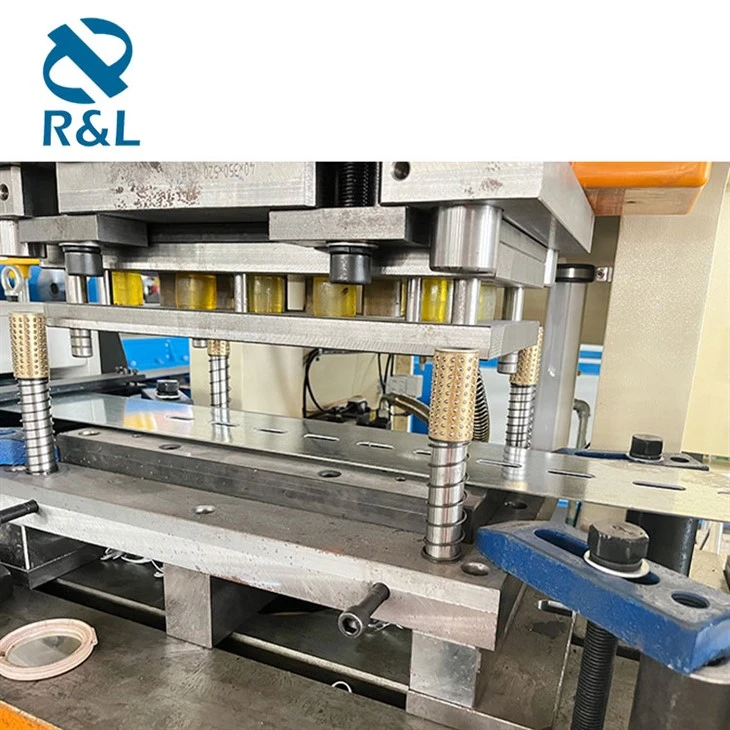
In addition, modern roll formers are equipped with advanced control systems that can monitor and adjust the production process in real - time. This helps to maintain the quality of the panels even during long - term, continuous production runs.
Cost - Effectiveness
Large - scale industrial production requires cost - effective solutions. Metal roofing roll formers offer significant cost savings in the long run. While the initial investment in a roll former may be substantial, the savings in labor, material waste, and production time can quickly offset this cost.
For instance, since the machine can produce panels with minimal waste, you can make the most of your raw materials. This reduces the overall cost of production per panel. Also, the high - speed operation means that you can produce more panels in less time, increasing your overall productivity and profitability.
Integration with Other Processes
In an industrial setting, a metal roofing roll former can be easily integrated with other manufacturing processes. For example, it can be connected to a cutting machine to cut the panels to the desired length. It can also be integrated with a painting or coating system to apply a protective finish to the panels. This seamless integration allows for a more streamlined production process, further enhancing efficiency and productivity.
Challenges and Considerations
Of course, using a metal roofing roll former for large - scale industrial production isn't without its challenges. One of the main challenges is the initial setup and calibration of the machine. It requires skilled technicians to ensure that the machine is set up correctly to produce the desired profiles. Any errors in the setup can lead to production delays and quality issues.
Another consideration is the maintenance of the machine. Regular maintenance is essential to keep the roll former running smoothly. This includes cleaning, lubricating, and replacing worn - out parts. Failure to perform proper maintenance can result in breakdowns, which can be costly in terms of production downtime.
Other Related Machines
If you're involved in large - scale industrial production, you might also be interested in other related machines. For example, the CZ Purlin Forming Machine is a great addition to your production line. It can be used to produce C and Z - shaped purlins, which are commonly used in roofing and wall structures.
The Metal Stud Roll Forming Machine is another useful machine. It can produce metal studs, which are used in the construction of partitions and framing. And if you're looking for a more general - purpose purlin - making solution, the Purlin Forming Machine is a good option.
Conclusion
In conclusion, a metal roofing roll former is definitely suitable for large - scale industrial production. Its efficiency, customization capabilities, quality control, cost - effectiveness, and integration potential make it a valuable asset in the industrial roofing market. However, it's important to be aware of the challenges and ensure proper setup and maintenance.
If you're in the market for a metal roofing roll former or any of the related machines I mentioned, I'd love to have a chat with you. Whether you're a small - scale contractor looking to expand or a large - scale industrial manufacturer, I can provide you with the right solutions for your production needs. Don't hesitate to reach out and start a conversation about how we can work together to meet your roofing production goals.
References
- "Roll Forming Technology Handbook" by Thomas L. Schuler
- Industry reports on metal roofing manufacturing from leading market research firms.


