

Hey there! I'm a supplier of Corrugated Forming Machines, and today I wanna chat about how these nifty machines handle material waste. It's a topic that's super important in our industry, as reducing waste not only saves costs but also helps the environment. So, let's dive right in!
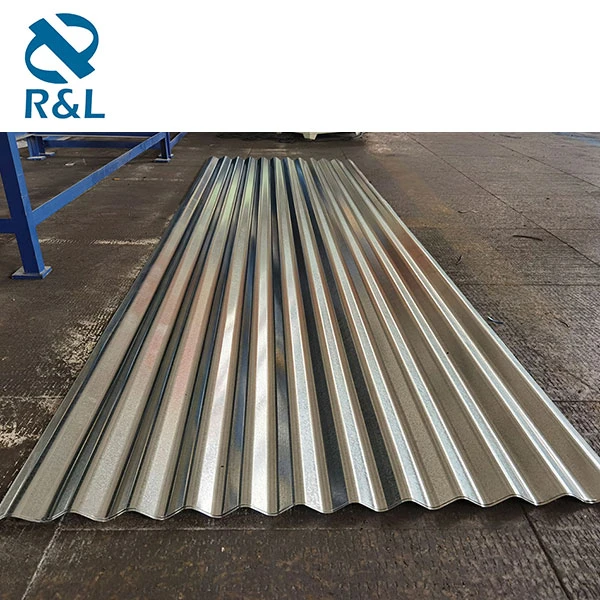
First off, let me give you a quick rundown of what a corrugated forming machine does. These machines are used to create corrugated sheets, which are commonly used in roofing, packaging, and other applications. The process involves feeding a flat sheet of material, usually metal or paper, through a series of rollers that shape it into the characteristic corrugated pattern.
Now, let's talk about material waste. When using a corrugated forming machine, waste can occur in several ways. One common source of waste is the trimming process. After the sheet is formed, it often needs to be trimmed to the correct size and shape. This can result in small pieces of material being cut off and discarded. Another source of waste is scrap material that is generated during the forming process. For example, if there is a problem with the machine or the material, it may be necessary to stop the process and remove the defective sheet, which becomes waste.
So, how does a corrugated forming machine handle this waste? Well, there are several strategies that can be used to minimize waste and make the most of the material.
1. Precise Cutting and Sizing
One of the most effective ways to reduce waste is to ensure that the machine is cutting and sizing the material as precisely as possible. Modern corrugated forming machines are equipped with advanced control systems that allow for accurate measurements and adjustments. This means that the machine can cut the sheets to the exact size and shape required, minimizing the amount of material that needs to be trimmed off.
For example, some machines use laser cutting technology to make precise cuts. Laser cutting is extremely accurate and can reduce waste by up to 30% compared to traditional cutting methods. By using a laser, the machine can cut the sheet with minimal kerf (the width of the cut), which means less material is wasted.
2. Scrap Recycling
Another important strategy for handling material waste is to recycle the scrap material. Many corrugated forming machines are designed to collect the scrap material generated during the forming process and feed it back into the machine for reuse. This not only reduces waste but also saves on the cost of raw materials.
For instance, some machines have a built-in scrap collection system that collects the trimmed-off pieces and scrap material and feeds them into a recycling hopper. The scrap material is then melted down and reused to make new sheets. This closed-loop recycling system is not only environmentally friendly but also cost-effective.
3. Optimal Material Utilization
In addition to precise cutting and scrap recycling, corrugated forming machines can also be programmed to optimize the use of the material. This involves arranging the sheets on the raw material in such a way that minimizes the amount of wasted space.
For example, some machines use nesting software to determine the most efficient way to arrange the sheets on the raw material. The software takes into account the size and shape of the sheets and the dimensions of the raw material and then generates a layout that maximizes the use of the material. This can result in significant savings in material costs and a reduction in waste.
4. Quality Control
Quality control is another important factor in reducing material waste. By ensuring that the machine is producing high-quality sheets, the amount of scrap material generated can be minimized.
Modern corrugated forming machines are equipped with quality control sensors and monitoring systems that can detect problems with the sheets as they are being formed. For example, sensors can detect defects such as cracks, holes, or uneven corrugations and alert the operator to stop the process. This allows the defective sheet to be removed before it becomes waste, reducing the amount of material that is discarded.
5. Regular Maintenance
Finally, regular maintenance of the corrugated forming machine is essential for reducing material waste. A well-maintained machine is less likely to experience problems that can lead to scrap material being generated.
For example, if the rollers on the machine are not properly lubricated or aligned, it can cause the sheets to be formed incorrectly, resulting in scrap material. By performing regular maintenance tasks such as lubricating the rollers, checking the alignment, and replacing worn parts, the machine can operate at peak efficiency, reducing the amount of waste generated.

In conclusion, a corrugated forming machine can handle material waste in several ways. By using precise cutting and sizing, scrap recycling, optimal material utilization, quality control, and regular maintenance, it is possible to minimize waste and make the most of the material. This not only saves costs but also helps to protect the environment.
If you're in the market for a corrugated forming machine, or if you're interested in learning more about how these machines can help you reduce waste and improve efficiency, feel free to reach out to us. We're here to answer any questions you may have and to help you find the right machine for your needs.
And if you're also interested in other types of forming machines, check out our Roller Shutter Door Forming Machine, Roofing Sheet Making Machine, and Corrugated Roof Sheeting Machine. These machines are also designed to be efficient and minimize waste, just like our corrugated forming machines.
So, don't hesitate to contact us if you have any questions or if you're ready to start a conversation about your forming machine needs. We look forward to hearing from you!
References
- "Advanced Manufacturing Technologies for Corrugated Sheet Production," Journal of Manufacturing Science and Technology, Vol. 15, No. 2, 2023.
- "Reducing Waste in the Metal Forming Industry," Manufacturing Today Magazine, August 2022.
- "The Benefits of Recycling Scrap Material in Corrugated Sheet Production," Environmental Sustainability Journal, Vol. 8, No. 3, 2021.


