

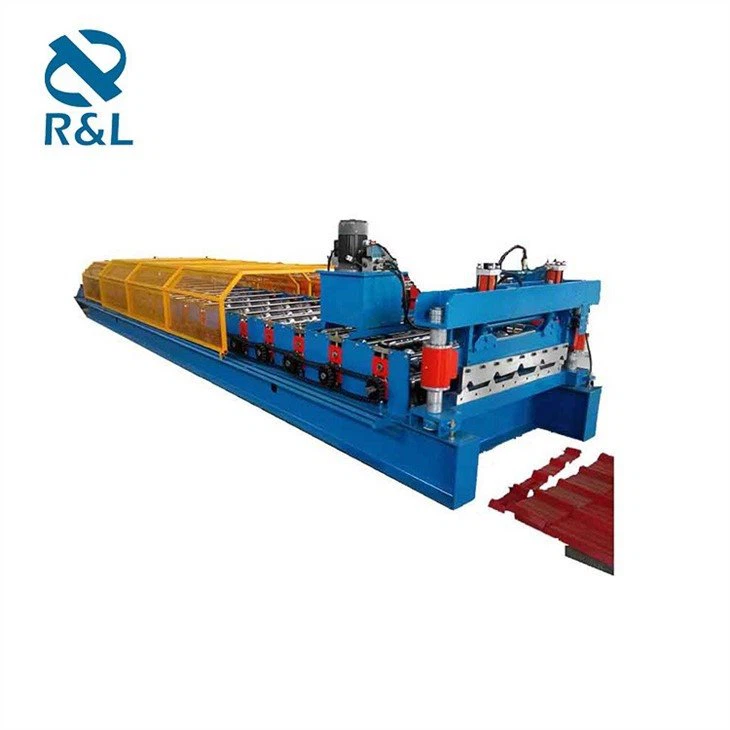
A metal roofing roll former is a crucial piece of equipment in the construction industry, especially for those involved in manufacturing metal roofing materials. As a supplier of Metal Roofing Roll Former, I am well - versed in how these machines operate and their significance in the production process.
1. Introduction to Metal Roofing Roll Formers
Metal roofing roll formers are specialized machines designed to transform flat metal sheets into various profiles used for roofing. These profiles can range from simple corrugated shapes to more complex designs, depending on the specific requirements of the roofing project. The process of roll forming is highly efficient and can produce high - quality roofing materials at a relatively fast pace.
2. The Basic Components of a Metal Roofing Roll Former
Uncoiler
The uncoiler is the starting point of the roll - forming process. It holds the large coil of flat metal sheet. The metal coil is typically made of materials such as steel, aluminum, or copper. The uncoiler is designed to rotate and gradually feed the metal sheet into the next stage of the machine. It has a braking system to control the speed at which the metal is unwound, ensuring a smooth and consistent feed.
Feeding System
The feeding system is responsible for guiding the flat metal sheet from the uncoiler into the roll - forming section. It usually consists of a set of rollers that grip the metal sheet and move it forward. The feeding system must be precisely calibrated to ensure that the metal sheet is fed at the correct speed and alignment. Any misalignment at this stage can lead to defects in the final roofing product.
Roll - Forming Stations
The roll - forming stations are the heart of the metal roofing roll former. These stations consist of multiple sets of rollers arranged in a series. Each set of rollers is designed to gradually shape the metal sheet into the desired profile. As the metal sheet passes through each station, the rollers apply pressure and bend the metal incrementally. The number of roll - forming stations can vary depending on the complexity of the profile. For simple profiles, there may be as few as 5 - 10 stations, while for more complex designs, there could be 20 or more.
Cutting System
Once the metal sheet has been formed into the desired profile, it needs to be cut to the appropriate length. The cutting system in a metal roofing roll former can be either mechanical or hydraulic. Mechanical cutting systems use a rotating blade to cut through the metal, while hydraulic cutting systems use a hydraulic press to shear the metal. The cutting system is synchronized with the feeding speed of the metal sheet to ensure accurate cuts.
Control System
The control system of a metal roofing roll former is used to monitor and adjust the operation of the machine. It allows the operator to set parameters such as the length of the roofing sheets, the speed of the machine, and the number of profiles to be produced. Modern control systems are often computer - based, which provides greater precision and flexibility. They can also store different profile settings, allowing for quick changeovers between different roofing designs.
3. The Roll - Forming Process in Detail
Initial Shaping
When the flat metal sheet enters the first roll - forming station, the rollers start to make small bends in the metal. These initial bends are usually very gentle and are designed to prepare the metal for further shaping. The shape of the rollers at the first station is carefully designed to match the starting point of the desired profile.
Progressive Bending
As the metal sheet moves through the subsequent roll - forming stations, the bends become more pronounced. Each set of rollers is designed to make a specific increment of bending, gradually transforming the flat metal sheet into the final profile. The rollers are made of high - quality steel and are precisely machined to ensure consistent and accurate bending.
Final Shaping
At the last few roll - forming stations, the metal sheet is shaped into its final form. The rollers at these stations are designed to fine - tune the profile and ensure that all dimensions are within the specified tolerances. Any minor adjustments can be made at this stage to correct any deviations that may have occurred during the previous stations.
4. Advantages of Using a Metal Roofing Roll Former
Cost - Efficiency
One of the main advantages of using a metal roofing roll former is cost - efficiency. By producing roofing materials in - house, manufacturers can save on transportation costs and reduce the need for large inventories. Additionally, the roll - forming process is highly automated, which reduces labor costs compared to traditional manufacturing methods.
Customization
Metal roofing roll formers offer a high degree of customization. Manufacturers can easily change the profile settings on the machine to produce different roofing designs. This allows them to meet the specific needs of different customers and projects. Whether it's a simple residential roofing project or a large - scale commercial building, a metal roofing roll former can produce the required roofing materials.
High - Quality Products
The roll - forming process produces high - quality roofing materials with consistent dimensions and profiles. The precise control of the rollers ensures that each roofing sheet is identical to the next, which is crucial for a proper installation. Additionally, the use of high - quality metal and the gradual shaping process result in a strong and durable roofing product.
4. Maintenance and Safety Considerations
Maintenance
Regular maintenance is essential to keep a metal roofing roll former in good working condition. The rollers need to be cleaned and lubricated regularly to prevent wear and tear. The cutting blades should be sharpened or replaced when they become dull. The control system also needs to be checked and calibrated periodically to ensure accurate operation.
Safety
Safety is of utmost importance when operating a metal roofing roll former. Operators should be trained on how to use the machine safely. The machine should be equipped with safety guards to prevent access to moving parts. Emergency stop buttons should be easily accessible in case of any malfunctions. Additionally, proper personal protective equipment, such as gloves and safety glasses, should be worn at all times.
5. Related Machines and Their Applications
In addition to metal roofing roll formers, there are other related roll - forming machines that are used in the construction industry. One such machine is the Box Beam Roll Forming Machine. Box beam roll forming machines are used to produce box - shaped beams that are commonly used in structural applications, such as in the construction of racks and frames.
Another related machine is the Roofing Sheet Roll Forming Machine. While similar to metal roofing roll formers, roofing sheet roll forming machines are more focused on producing large - scale roofing sheets for commercial and industrial buildings.

6. Conclusion and Call to Action
In conclusion, a metal roofing roll former is a highly efficient and versatile machine that plays a crucial role in the production of metal roofing materials. Its ability to produce high - quality, customized roofing sheets makes it an essential tool for manufacturers in the construction industry.
If you are in the market for a metal roofing roll former or have any questions about our products, we invite you to contact us for a detailed discussion. Our team of experts is ready to assist you in finding the right machine for your specific needs. Whether you are a small - scale roofing contractor or a large - scale manufacturer, we can provide you with a solution that meets your requirements.
References
- "Roll Forming Technology" by William T. Wagoner. This book provides in - depth knowledge about the roll - forming process and the design of roll - forming machines.
- Industry standards and guidelines published by organizations such as the American Iron and Steel Institute (AISI) and the Sheet Metal and Air Conditioning Contractors' National Association (SMACNA). These standards ensure the quality and safety of roll - formed metal products.


