

Adjusting the speed of a roll former machine is a critical aspect when dealing with different materials. As a seasoned provider of roll former machines, I understand the significance of this process and the impact it can have on the overall production quality and efficiency. In this blog, I will share some key insights on how to adjust the speed of a roll former machine according to various materials.
Understanding the Basics of Roll Former Machine Speed
The speed of a roll former machine refers to the rate at which the strip of material passes through the rollers and is formed into the desired shape. It is typically measured in meters per minute (m/min). The optimal speed depends on several factors, including the type of material, its thickness, the complexity of the profile, and the capabilities of the machine itself.
Impact of Material Properties on Machine Speed
Material Type
Different materials have distinct physical and mechanical properties that influence how they respond to the roll-forming process. For instance, metals like steel, aluminum, and copper have varying levels of ductility, hardness, and tensile strength.
Steel is a commonly used material in roll forming due to its high strength and durability. However, its hardness can make it more challenging to form compared to softer metals like aluminum. When working with carbon steel or high-strength steel, the machine speed may need to be reduced to prevent excessive stress on the material, which could lead to cracking or deformation. As a Roll Former Machine supplier, we often recommend starting with a lower speed, around 5 - 10 m/min, for thick and high-strength steel materials.
On the other hand, aluminum is a lightweight and highly ductile metal. It can be formed at relatively higher speeds compared to steel. For thin aluminum sheets, speeds of 15 - 25 m/min can be achieved without significant issues. The Metal Roofing Roll Former is often used to process aluminum sheets for roofing applications, and adjusting the speed correctly is crucial for producing high-quality roofing panels.
Material Thickness
Thicker materials generally require slower machine speeds. As the material thickness increases, more force is needed to bend and shape it. If the machine runs too fast with a thick material, the rollers may not have enough time to apply the necessary pressure evenly, resulting in poor-quality forming.
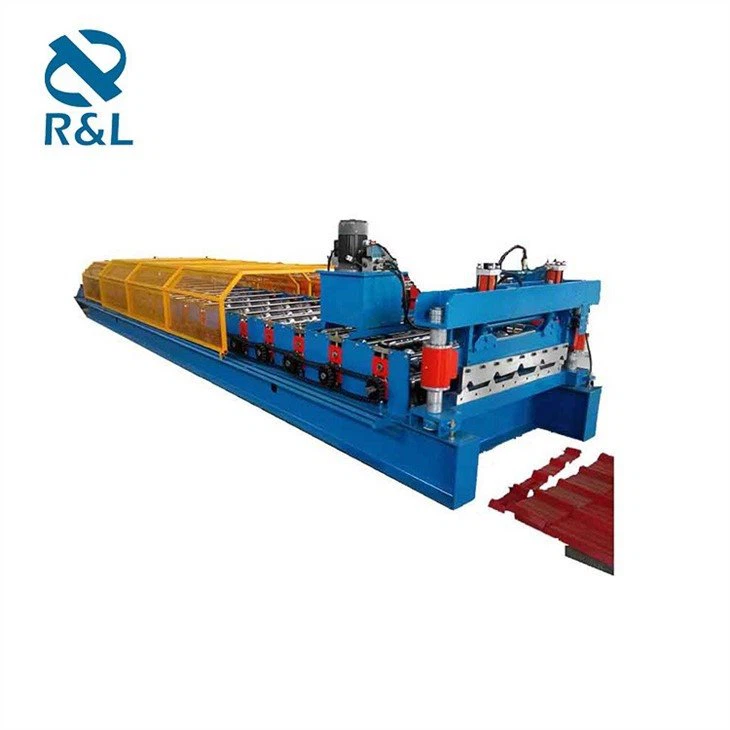
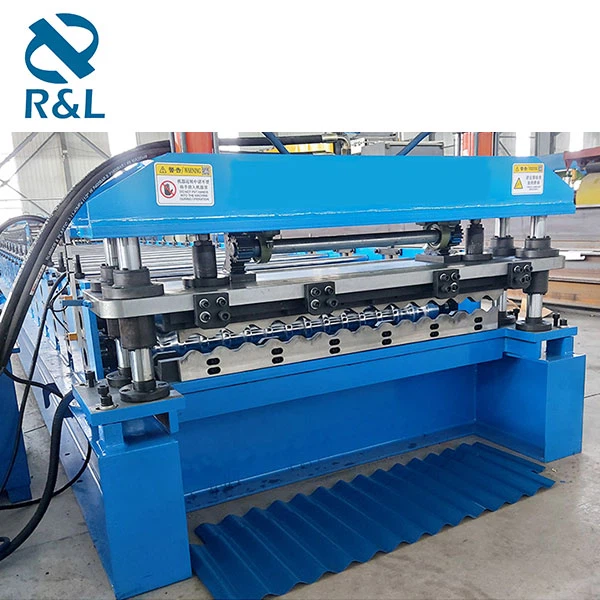
For example, when forming a 1 - 2 mm thick metal sheet, a speed of 10 - 15 m/min might be appropriate. However, if the thickness increases to 3 - 5 mm, the speed should be reduced to 5 - 10 m/min. Our Purlin Making Machine often processes thick materials to form purlins, and careful speed adjustment based on material thickness is essential for accurate and consistent results.
Profile Complexity and Machine Speed
The complexity of the profile being formed also plays a significant role in determining the machine speed. Profiles with sharp bends, multiple curves, or intricate details require more precise control and slower speeds.
A simple flat sheet or a profile with gentle curves can be formed at higher speeds. For example, a basic C - shaped purlin can be produced at a relatively fast speed, perhaps around 15 - 20 m/min. However, if the profile has complex indents, embossments, or tight angles, the speed should be reduced to ensure that the material can be properly formed without any defects. The Roll Forming Machine For Solar Structure often creates profiles with specific geometries for solar panel installations, and adjusting the speed according to the profile complexity is vital for meeting the strict quality requirements.
Machine - Specific Considerations
Each roll former machine has its own set of capabilities and limitations. The power of the motor, the quality of the rollers, and the overall design of the machine can affect the maximum and optimal speeds.
A high - powered machine with well - designed rollers can usually handle higher speeds and more demanding materials. It is essential to refer to the machine's manual for the recommended speed ranges for different materials and profiles. In addition, regular maintenance of the machine, such as lubricating the rollers and checking the alignment, is crucial to ensure smooth operation at various speeds.
Step - by - Step Guide to Adjusting Machine Speed
- Material Analysis: First, identify the type and thickness of the material you will be using. Research the material's properties and typical speed ranges for roll forming.
- Profile Assessment: Evaluate the complexity of the profile. Determine if there are any sharp bends, curves, or details that may require slower speeds.
- Initial Setting: Based on the material and profile analysis, set the machine to an initial speed within the recommended range. Start with a conservative speed, especially if you are working with a new material or profile.
- Test Run: Conduct a test run with a short length of the material. Observe the forming process closely. Check for any signs of cracking, deformation, or uneven forming.
- Adjustment: If the test run shows issues, such as poor forming quality, reduce the speed gradually. Make small adjustments and repeat the test run until the desired results are achieved.
- Continuous Monitoring: Once the optimal speed is determined for a particular material and profile, continue to monitor the process during production. Factors such as material variations, machine wear, and environmental conditions can affect the forming process, so be prepared to make further adjustments if necessary.
Importance of Correct Speed Adjustment
Adjusting the speed of the roll former machine correctly offers several benefits. Firstly, it ensures the quality of the formed products. By running the machine at the appropriate speed, you can minimize defects such as cracks, wrinkles, and uneven surfaces. This leads to higher - quality end products that meet or exceed customer expectations.
Secondly, it improves production efficiency. Running the machine at the optimal speed allows for a smooth and continuous production process, reducing downtime due to rework or machine breakdowns. This ultimately increases the overall productivity of the manufacturing operation.
Finally, it extends the lifespan of the machine. Operating the machine within its recommended speed range reduces the stress on the components, such as the rollers and the motor. This helps to prevent premature wear and tear, saving on maintenance and replacement costs in the long run.
Conclusion
Adjusting the speed of a roll former machine according to different materials is a skill that requires a combination of knowledge, experience, and careful monitoring. As a Roll Former Machine supplier, we are committed to providing our customers with the necessary support and guidance to ensure that they can achieve the best results with our machines.
If you are in the market for a roll former machine or need further advice on speed adjustment and other aspects of roll forming, do not hesitate to reach out to us. We are here to assist you in making informed decisions and optimizing your production processes.
References
- Smith, J. (2018). Advanced Roll Forming Techniques. Manufacturing Press.
- Brown, A. (2020). Materials Science for Roll Forming. Metalworking Journal.


