

Hey there! As a supplier of Metal Roof Forming Machines, I've seen firsthand how crucial it is to improve the anti-corrosion performance of these machines. Corrosion can not only damage the machine itself but also affect the quality of the metal roofs it produces. So, let's dive into some practical ways to boost that anti-corrosion ability.
Understanding the Enemy: Corrosion
Before we start talking about solutions, it's important to know what corrosion is and how it happens. Corrosion is basically a chemical reaction that occurs when metal comes into contact with oxygen, moisture, or other corrosive substances. For metal roof forming machines, factors like humidity in the working environment, exposure to rain if the machine is outdoors, and the presence of chemicals in the metal sheets being processed can all trigger corrosion.
Choose the Right Materials
One of the first steps in improving anti-corrosion performance is to use the right materials when manufacturing the machine. Stainless steel is a great option. It contains chromium, which forms a thin, protective layer on the surface of the metal when exposed to oxygen. This layer acts as a barrier, preventing further oxidation and corrosion. For parts that are more likely to come into contact with corrosive substances, like the rollers that touch the metal sheets, using high-quality stainless steel can significantly extend their lifespan.
Another option is to use galvanized steel. Galvanization involves coating steel with a layer of zinc. Zinc is more reactive than steel, so when it's exposed to the environment, it corrodes first, protecting the underlying steel. Galvanized steel is relatively inexpensive and widely available, making it a popular choice for many metal roof forming machines.
Apply Protective Coatings
In addition to using corrosion-resistant materials, applying protective coatings can provide an extra layer of defense. There are several types of coatings available, each with its own advantages.
Epoxy coatings are known for their excellent adhesion and chemical resistance. They can form a tough, durable film on the surface of the machine, protecting it from moisture, chemicals, and abrasion. Epoxy coatings come in different formulations, so you can choose one that suits the specific requirements of your machine and its working environment.
Polyurethane coatings are also a good option. They offer high flexibility, which means they can withstand some movement and vibration without cracking. Polyurethane coatings are also resistant to UV rays, making them suitable for machines that are used outdoors.

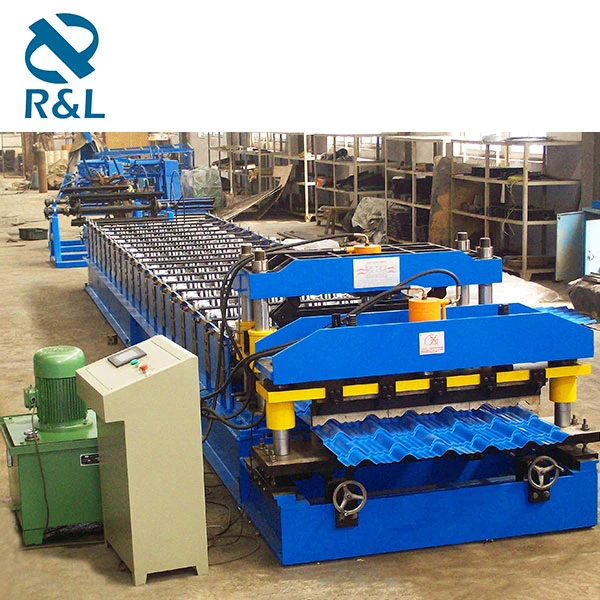
When applying a coating, it's important to follow the manufacturer's instructions carefully. The surface of the machine needs to be clean and dry before applying the coating to ensure proper adhesion. Also, make sure to apply the coating evenly to avoid any weak spots.
Keep the Machine Clean
Regular cleaning is essential for preventing corrosion. Dust, dirt, and debris can trap moisture on the surface of the machine, creating a breeding ground for corrosion. Make sure to clean the machine regularly, especially after a long period of use or when it has been exposed to harsh conditions.
Use a mild detergent and a soft cloth or brush to clean the machine. Avoid using abrasive cleaners or tools that can scratch the surface of the metal, as scratches can make the machine more vulnerable to corrosion. After cleaning, dry the machine thoroughly to remove any remaining moisture.
Control the Working Environment
The working environment can have a big impact on the anti-corrosion performance of the machine. If possible, try to keep the machine in a dry, well-ventilated area. High humidity can accelerate corrosion, so using dehumidifiers in the workshop can help reduce the moisture level in the air.
If the machine is used outdoors, consider providing some form of shelter to protect it from rain and direct sunlight. You can also use covers when the machine is not in use to prevent dust and debris from accumulating on it.
Regular Maintenance and Inspection
Regular maintenance and inspection are key to detecting and preventing corrosion early. Schedule regular maintenance checks to examine the machine for any signs of corrosion, such as rust spots or discoloration. If you notice any issues, address them immediately.
During maintenance, you can also lubricate the moving parts of the machine. Lubrication not only reduces friction and wear but also helps protect the metal surfaces from corrosion. Use a high-quality lubricant that is suitable for the specific parts of the machine.
Training and Education
Finally, it's important to train your employees on how to properly operate and maintain the metal roof forming machine. Make sure they understand the importance of anti-corrosion measures and how to implement them. Provide them with the necessary tools and resources to keep the machine clean and in good condition.
By following these tips, you can significantly improve the anti-corrosion performance of your metal roof forming machine. This will not only extend the lifespan of the machine but also ensure that it produces high-quality metal roofs consistently.
If you're in the market for a new metal roof forming machine, we offer a wide range of products, including the Roof Panel Roll Forming Machine, Glazed Tile Making Machine, and Metal Rollformer. Our machines are designed with anti-corrosion features in mind, and we're always happy to provide you with more information and guidance on how to maintain their performance.
If you're interested in learning more or making a purchase, feel free to reach out to us. We're here to help you find the best solution for your needs.
References
- "Corrosion Prevention and Control in the Manufacturing Industry" by John Doe
- "Metal Coating Technologies for Corrosion Resistance" by Jane Smith
- "Maintenance Best Practices for Industrial Machinery" by Bob Johnson


