

Hey there! As a supplier of Cold Roll Formers, I've seen firsthand the importance of optimizing their performance. In this blog, I'm gonna share some tips and tricks on how you can get the most out of your Cold Roll Former.
Understanding Your Cold Roll Former
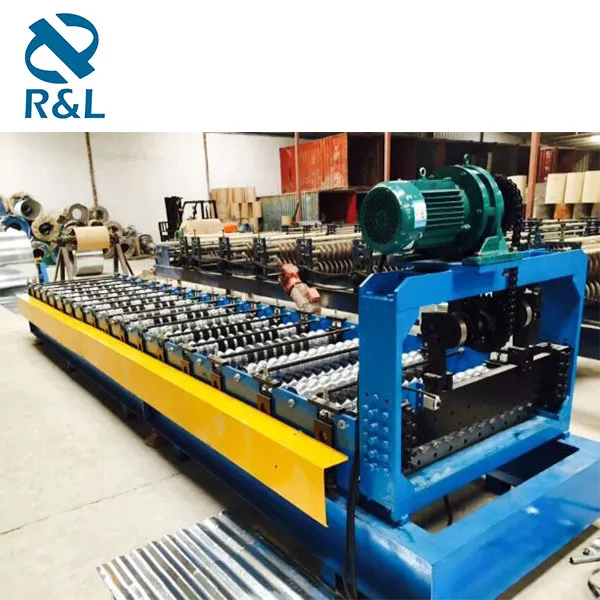
First things first, it's crucial to have a solid understanding of how your Cold Roll Former works. Each machine is designed to produce specific profiles, and knowing its capabilities and limitations is key. For example, if you're using a Corrugated Sheet Roll Forming Machine, you need to understand the forming process of corrugated sheets. The machine bends and shapes the metal strip into the desired corrugated profile through a series of rollers.
Similarly, if you're into making racks, a Racking Roll Forming Machine has its own unique features. It's designed to create precise and sturdy rack profiles, which requires a different set of adjustments compared to other types of roll formers. And for those in the silo industry, a Silo Roll Forming Machine is engineered to form the specific shapes needed for silo construction.
Material Selection
The choice of material plays a huge role in the performance of your Cold Roll Former. Different metals have different properties, such as hardness, ductility, and thickness. You need to select a material that is suitable for the profile you're trying to produce. For instance, if you're making thin - walled profiles, a softer and more ductile metal might be a better choice as it will be easier to form without cracking or breaking.
On the other hand, if you're producing heavy - duty profiles that need to withstand a lot of stress, a harder and stronger metal would be more appropriate. Also, make sure the material is clean and free from any contaminants. Rust, dirt, or oil on the metal surface can affect the forming process and lead to poor - quality products.

Machine Maintenance
Regular maintenance is a must for optimizing the performance of your Cold Roll Former. This includes cleaning, lubricating, and inspecting the machine on a regular basis. Clean the rollers and other components to remove any debris or metal shavings that might have accumulated during the forming process. A build - up of debris can cause uneven pressure on the metal strip, resulting in inconsistent profiles.
Lubrication is also crucial. Proper lubrication reduces friction between the rollers and the metal, which not only makes the forming process smoother but also extends the lifespan of the machine. Use the recommended lubricants and follow the manufacturer's guidelines on how often to lubricate each part.
Inspect the machine for any signs of wear and tear. Check the rollers for any damage, such as cracks or excessive wear. Replace any worn - out parts immediately to prevent further damage to the machine and ensure the quality of the formed products.
Roller Adjustment
The correct adjustment of the rollers is vital for achieving accurate and consistent profiles. Each roller in the Cold Roll Former has a specific function, and they need to be set at the right height, angle, and pressure. Incorrect roller adjustment can lead to problems like uneven bending, wrinkling, or distortion of the metal strip.
Start by setting the initial roller positions according to the profile design. Then, make small adjustments as you test the machine with a sample metal strip. Monitor the formed profile closely and make further adjustments as needed. It might take a bit of trial and error to get the perfect settings, but once you do, you'll notice a significant improvement in the quality of the products.
Speed and Feed Rate
Finding the right speed and feed rate for your Cold Roll Former is another important factor. The speed at which the metal strip is fed into the machine and the rotational speed of the rollers should be optimized for the specific material and profile you're working with.
If the speed is too fast, the metal might not have enough time to form properly, leading to poor - quality profiles. On the other hand, if the speed is too slow, it can reduce the production efficiency. Experiment with different speeds and feed rates to find the sweet spot that gives you both high - quality products and a good production rate.
Operator Training
Having well - trained operators is essential for optimizing the performance of your Cold Roll Former. An experienced operator knows how to handle the machine properly, make adjustments, and troubleshoot common problems. Provide comprehensive training to your operators on the operation, maintenance, and safety procedures of the Cold Roll Former.
Make sure they understand the importance of following the correct procedures and the impact it has on the quality of the products. Encourage them to share their experiences and ideas for improving the machine's performance. A knowledgeable and skilled operator can make a big difference in the overall efficiency of your production process.
Quality Control
Implement a strict quality control system to ensure that the formed products meet the required standards. Inspect the formed profiles at regular intervals during the production process. Check for dimensions, surface finish, and any defects such as cracks, holes, or unevenness.
Use measuring tools like calipers, micrometers, and profile gauges to verify the accuracy of the profiles. If any non - conforming products are detected, stop the production immediately and identify the root cause. Make the necessary adjustments to the machine or the process to prevent further non - conformities.
Process Optimization
Continuously look for ways to optimize the forming process. This could involve using new technologies, improving the tooling design, or streamlining the workflow. For example, some modern Cold Roll Formers come with advanced control systems that allow for more precise adjustments and monitoring of the forming process.
You can also work with your suppliers to explore new materials or manufacturing techniques that might improve the performance of your Cold Roll Former. By constantly seeking improvement, you can stay ahead of the competition and produce high - quality products more efficiently.
Contact Us for More
If you're looking to optimize the performance of your Cold Roll Former or are in the market for a new one, we're here to help. Our team of experts has years of experience in the industry and can provide you with the best solutions for your specific needs. Whether you need advice on machine selection, maintenance, or process optimization, we've got you covered.
So, don't hesitate to reach out to us for more information and to start a discussion about your Cold Roll Former requirements. We're eager to work with you and help you take your production to the next level.
References
- "Roll Forming Technology Handbook" by various industry experts.
- Manufacturer's manuals for Cold Roll Formers.
- Industry - specific research papers on metal forming processes.


