If you've ever walked through a metal fabrication shop-especially one where purlin forming machines are humming along, shaping steel coils into C-channels or Z-channels for roofs, walls, and heavy load support-you've probably noticed the fine, gritty dust swirling in the air long after the machines shut off. That dust isn't just a nuisance; it's a health hazard, a threat to equipment longevity, and a compliance issue for most industrial workplaces. For anyone in the metal forming space (whether you're a fabricator, building contractor, or fellow machinery supplier), understanding how a purlin forming machine's dust collection system works isn't just nice-to-know-it's critical to keeping operations safe, efficient, and profitable. As a supplier of purlin forming machines, I've seen firsthand how a well-designed dust collection system can make or break a fabricator's workflow, and how a poor one leads to costly downtime, employee complaints, and even regulatory fines. Today, I'm breaking down exactly what this system is, how it functions, and why it's non-negotiable for anyone working with purlin forming equipment.
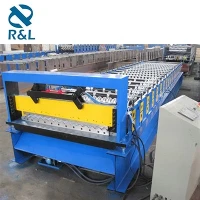
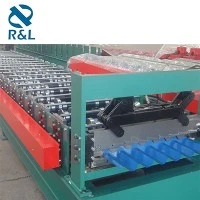
First, let's ground this in what a purlin forming machine does, because the dust it produces is directly tied to the machine's core process. A purlin roll forming machine takes a large, continuous steel coil (usually galvanized steel, aluminum, or sometimes cold-rolled steel) and feeds it through a series of precision rollers that gradually bend the flat strip into a repeating C or Z shape-shapes that are strong, lightweight, and perfect for supporting roof panels, wall cladding, or even structural framing for mezzanines and racking. The process itself generates a lot of byproducts, but the most pervasive is metal dust: tiny, razor-sharp particles of steel that flake off during cutting, punching, and shearing steps, as well as fine metal shavings left over from roller adjustments or material feeding. Unlike wood dust, metal dust is not only bad for lungs-it's also abrasive, so if it settles on machine parts, motors, or electrical components, it can cause premature wear, overheating, or even electrical shorts. That's where the dust collection system comes in: it's the dedicated network of components that captures, contains, and removes this harmful dust before it can cause problems.
At its core, a purlin forming machine's dust collection system isn't a one-size-fits-all add-on. It's engineered specifically to match the machine's design and the type of material being processed. For example, a machine forming thin gauge aluminum will produce much finer, lighter dust than one working with thick, heavy galvanized steel, so the system's airflow and filtration capacity will adjust accordingly. The system is usually integrated directly into the machine's frame or placed adjacent to it, with strategically placed hoods and ducts that target the exact points where dust is generated: the punch press stations, the rotary shears, and the roller bed areas where the material moves through the forming process. Let's break down the key components that make this system work, because understanding these parts is the best way to appreciate why they matter.
First, the capture hoods are the first line of defense. These are custom-shaped enclosures or open hoods placed right above the dust-generating stations-for example, a hood positioned over the rotary shear that cuts the formed purlin to length, or a smaller hood around the punch that makes holes for fasteners. The goal here is to create a low-pressure area that pulls dust upward before it can spread into the shop air. For our purlin forming machines, we design these hoods to be adjustable, so fabricators can move them closer to the working area if they're processing extra-dusty materials, or reposition them if they switch between purlin sizes (like going from a 4-inch C-purlin to a 6-inch Z-purlin). This is a small detail that makes a big difference: a poorly placed hood that's too far away won't capture dust, leaving it to float around the shop, while an over-sized hood wastes energy pulling in too much air without focusing on the source.
Next, the ductwork and blower unit, which transport the captured dust from the hoods to the filtration system. The ducts are sized carefully to balance two needs: enough airflow to carry dust particles without letting them settle in the ducts (which would cause clogs over time), and enough velocity to avoid wasting energy on excess air movement. For purlin machines, we usually use smooth, galvanized steel ducts because metal doesn't absorb dust and is less prone to static buildup, which can be a fire hazard with fine metal particles. The blower unit is the workhorse here-it's a high-horsepower fan that creates the negative pressure needed to pull air and dust through the ducts. The size of the blower depends on the machine's length: a standard 20-foot purlin forming machine needs a blower with a certain CFM (cubic feet per minute) rating, while a longer, custom machine for heavy industrial purlins will require a larger blower with higher CFM to cover more capture points.
Then comes the filtration system, which is where the dust is actually separated from the air before the clean air is released back into the shop or vented outside. For most purlin forming machines, there are two levels of filtration to ensure maximum efficiency. The first is a pre-filter, which catches the largest, heaviest dust particles (like small metal shavings) to keep them from clogging the main filters. The second is a high-efficiency particulate air (HEPA) filter or a cartridge filter, which captures the tiny, fine metal dust that can pass through the pre-filter. This is critical because fine metal dust is the most dangerous for human lungs-particles smaller than 10 microns can lodge deep in the respiratory tract, leading to long-term health issues like asthma, bronchitis, or even pneumoconiosis. A good filtration system will also have a way to clean the filters automatically, like a pulse-jet cleaning system that blasts compressed air through the filters at regular intervals to dislodge accumulated dust. This prevents the filters from getting clogged, which would reduce airflow and make the system less effective over time. Without this auto-clean feature, fabricators would have to shut down the machine regularly to manually clean or replace filters, leading to costly downtime.
Finally, most dust collection systems have a collection bin or hopper at the bottom of the filtration unit, where the captured dust is deposited. These bins are designed to be easy to access and empty, so fabricators can dispose of the metal dust safely (usually by recycling it, since metal dust has value as scrap). This is another key benefit: instead of having to sweep up fine metal dust every day (which is time-consuming and doesn't capture all particles), the system collects dust automatically, turning a messy, time-consuming task into a simple bin emptying process.
Now, you might be wondering: why does this matter specifically for purlin forming machines, and how does it differ from dust collection systems for other metal forming equipment? That's a good question. Purlin forming is a continuous process, meaning the machine runs for hours (sometimes 24/7) to produce large quantities of purlins for roofing and construction. Other machinery, like roof panel roll forming machines, also produce dust, but purlin machines often have more dust-generating stations because they require punching holes for fasteners, not just cutting large sheets. Similarly, box beam roll forming machines for pallet racks produce dust, but they work with thicker materials and have fewer precision cutting steps than purlin machines. The point is, purlin forming's unique process requires a dust collection system tailored to its specific dust sources-something we prioritize in all the purlin machines we supply.
Over the years, I've worked with dozens of fabricators who overlooked the importance of a good dust collection system on their purlin machines, and the results were never good. One fabricator I worked with a few years ago bought a used purlin machine that came with a cheap, off-the-shelf dust collection system. They noticed dust building up on their machine's rollers, so they just wiped it down once a week instead of fixing the system. Within six months, the abrasive dust had worn down the machine's precision rollers, throwing off the purlin dimensions. They had to pay $15,000 to replace the rollers, plus lost 10 days of production while the machine was out of service waiting for parts. Another client had a smaller issue: they didn't have enough filtration for fine aluminum dust, and their employees started complaining about persistent coughs and eye irritation. They had to shut down for three days to install a proper HEPA filter system, and ended up seeing a 10% drop in employee turnover after improving air quality.
On the flip side, the fabricators who invest in a well-designed dust collection system for their purlin machines see tangible benefits beyond just cleaner air. First, compliance: most countries have strict OSHA (Occupational Safety and Health Administration) standards for airborne metal dust levels in workplaces. For example, in the U.S., OSHA's permissible exposure limit (PEL) for metal dust is 15 milligrams per cubic meter of air over an 8-hour workday. A good dust collection system ensures you stay under this limit, avoiding fines that can run into thousands of dollars. Second, longer machine lifespan: by capturing dust before it settles on moving parts, motors, and electrical components, you reduce wear and tear on the machine, extending its overall life by years and reducing maintenance costs. Third, better product quality: dust buildup on rollers can leave scratches or uneven marks on purlins, which is a big problem if you're supplying purlins for commercial construction, where quality and consistency are non-negotiable. A clean machine makes a consistent product, which helps you win more contracts.
It's also important to note that dust collection systems for purlin forming machines can be customized to fit your specific needs. For example, if you're a mobile contractor who works on job sites rather than a fixed fabrication shop, you might need a portable dust collection system that can be moved with your portable metal roof roll forming machine and purlin machine. On the other hand, if you run a large, fixed fabrication plant with multiple purlin machines, you might opt for a central dust collection system that serves all your machines instead of individual units for each. This is why when we supply purlin machines, we work closely with each client to assess their space, production volume, and material types to design a dust collection system that's perfect for them.
Some fabricators ask me, "Can't I just use a dust collection system for corrugated roof sheeting machine for my purlin machine?" The short answer is no-because roof sheeting machines produce less fine, high-volume dust than purlin machines, which have additional punching and stamping steps that create more particles. Mixing and matching systems leads to inefficiency and poor performance, so it's always better to get a system designed specifically for purlin forming.
Let's talk about common misconceptions, too. One myth I hear often is that dust collection systems use too much energy and aren't worth the cost. While it's true that a system uses electricity, the savings you get from reduced machine maintenance, fewer replacement parts, and higher productivity far outweigh the energy cost. Our standard purlin machine dust collection systems are designed to be energy-efficient, with variable speed blowers that adjust airflow based on how much dust is being produced-so when the machine is running at low speed (forming thin gauge steel), the blower uses less power, and when it's running at high speed for thick materials, it ramps up automatically. That means you're not wasting energy on unnecessary airflow.
Another misconception is that only large fabricators need dust collection systems. Even small shops with one purlin machine can benefit from a properly sized system. I've worked with small contractors who run a single purlin machine in a 10x20 shop, and a compact, well-designed dust collection system keeps their air clean, extends the life of their machine, and keeps their employees happy-all for a fraction of the cost of a large system.


So, what should you look for when evaluating a purlin forming machine with a dust collection system, or when adding a system to an existing machine? First, make sure the system is integrated, not an afterthought. A lot of cheaper machines come with a duct and a small blower that barely moves air-you want a system that has dedicated capture points for all the dust-generating steps, not just a single hood over the shear. Second, check the filtration capacity: make sure it includes a pre-filter and HEPA or cartridge filters, with an auto-clean feature to avoid downtime. Third, confirm the airflow is matched to your machine's size and material type. If you process both thin aluminum and thick galvanized steel, look for a system that can adjust to both. Fourth, make sure the collection bin is easy to access and empty, so you don't have to stop production for long periods to dispose of dust.
At the end of the day, a purlin forming machine's dust collection system is more than just a piece of equipment-it's a critical component that impacts your employees' health, your machine's longevity, your product quality, and your bottom line. As a supplier of purlin forming machines, we don't just sell you a machine; we provide a complete solution that includes a dust collection system tailored to your needs, because we know that ignoring this part can lead to costly mistakes. If you're in the market for a purlin forming machine, or you're looking to upgrade your current system to improve safety and efficiency, we're here to help. We work with fabricators of all sizes, from small local shops to large national construction companies, to provide high-quality purlin forming machines and dust collection systems that meet your specific requirements. To learn more about our solutions, or to discuss your needs for purlin forming equipment, don't hesitate to reach out and start a conversation with our team. We're always happy to answer questions, provide customized recommendations, and help you find the right setup for your operations.