As a supplier of Roll Forming Machines, I've seen firsthand how product deformation during the roll forming process can be a real headache for manufacturers. It not only affects the quality of the final product but also leads to increased costs and production delays. In this blog, I'll share some practical tips on how to prevent product deformation during the roll forming process.
Understanding the Roll Forming Process
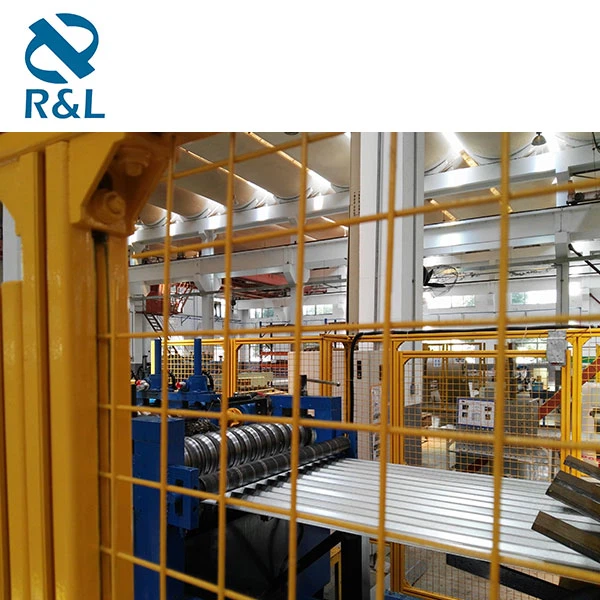
Before we dive into the prevention methods, let's quickly go over what roll forming is. Roll forming is a continuous bending operation in which a long strip of metal, typically coiled steel, is passed through consecutive sets of rolls, or stands, each performing an incremental part of the bend, until the desired cross-sectional shape is obtained. It's a highly efficient and cost - effective method for producing long lengths of formed metal products, like roofing panels, wall panels, and structural components.
Factors Leading to Product Deformation
There are several factors that can cause product deformation during roll forming. Understanding these factors is the first step in preventing them.
Material Properties
The type of material you're using plays a huge role. Different metals have different properties, such as hardness, ductility, and yield strength. For example, stainless steel is harder and less ductile compared to mild steel. If you try to form a stainless - steel sheet too aggressively, it's more likely to crack or deform. So, it's crucial to choose the right material for your specific application and make sure its properties are well - suited for the roll - forming process.
Roll Design
The design of the rolls is another critical factor. If the rolls are not properly designed, they can apply uneven pressure on the material, leading to deformation. For instance, if the gap between the rolls is too large in some areas and too small in others, the material will not be formed uniformly. The shape and contour of the rolls also need to match the desired profile of the final product. A poorly designed roll can cause wrinkling, twisting, or other forms of deformation.
Machine Settings
Incorrect machine settings can spell disaster. The speed at which the material passes through the rolls, the pressure applied by the rolls, and the alignment of the machine all need to be carefully calibrated. If the machine is running too fast, the material may not have enough time to form properly, resulting in deformation. On the other hand, if the pressure is too high, it can cause excessive stretching or even breakage of the material.

Prevention Methods
Material Selection and Preparation
- Choose the Right Material: As mentioned earlier, select a material with the appropriate properties for your roll - forming needs. If you're not sure which material to use, consult with a material expert or your roll - forming machine supplier.
- Annealing: For some materials, annealing can be a great way to improve their formability. Annealing is a heat - treatment process that softens the material, making it more ductile and less prone to cracking during forming.
- Inspect the Material: Before starting the roll - forming process, thoroughly inspect the material for any defects, such as scratches, dents, or uneven thickness. These defects can lead to deformation during forming.
Roll Design and Maintenance
- Proper Roll Design: Work with an experienced roll designer to ensure that the rolls are designed to match your product requirements. The rolls should apply uniform pressure on the material and have the correct shape and contour.
- Regular Maintenance: Keep the rolls clean and well - lubricated. Over time, dirt, debris, and metal shavings can accumulate on the rolls, which can affect their performance and cause deformation. Also, regularly check the rolls for wear and tear and replace them when necessary.
Machine Calibration and Operation
- Calibrate the Machine: Before starting production, carefully calibrate the machine settings. Set the correct speed, pressure, and alignment according to the material and the desired product profile. You can refer to the machine's manual or consult with your roll - forming machine supplier for guidance.
- Monitor the Process: During the roll - forming process, continuously monitor the product for any signs of deformation. If you notice any issues, such as wrinkling or twisting, stop the machine immediately and make the necessary adjustments.
Using the Right Roll Forming Machines
At our company, we offer a wide range of high - quality roll - forming machines that can help you prevent product deformation. For example, our Double Layer Roll Forming Machine is designed to produce two different profiles simultaneously, with precise control over the forming process. This machine ensures uniform pressure distribution and accurate forming, reducing the risk of deformation.
Our Profile Roll Forming Machine is another great option for producing various profiles, such as purlins and wall panels. It's equipped with advanced technology and high - precision components, which can handle different materials and thicknesses with ease.
If you're in the business of making stainless - steel water tanks, our Stainless Steel Water Tank Making Machine is the perfect choice. This machine is specifically designed to form stainless - steel sheets into water - tank panels with minimal deformation, thanks to its optimized roll design and precise machine control.
Conclusion
Preventing product deformation during the roll - forming process requires a combination of proper material selection, roll design, machine calibration, and process monitoring. By following the tips and using the right roll - forming machines, you can significantly reduce the risk of deformation and produce high - quality products.
If you're interested in improving your roll - forming process and preventing product deformation, we're here to help. Our team of experts can provide you with customized solutions based on your specific needs. Whether you're a small - scale manufacturer or a large industrial enterprise, we have the right machines and expertise to meet your requirements. Don't hesitate to contact us for more information and to start a procurement discussion.
References
- ASM Handbook Volume 14A: Metalworking: Bulk Forming. ASM International.
- Roll Forming Technology Handbook. by Don Green.