

Hey there! As a supplier of Metal Roofing Roll Formers, I often get asked about the floor space required for these machines. It's a crucial question because having the right amount of space is essential for smooth operation, safety, and efficiency. So, let's dive into this topic and figure out what you need to know.
First off, the floor space needed for a metal roofing roll former can vary quite a bit. It depends on several factors, like the type of machine, its size, the production capacity, and the additional equipment you might have around it.
Let's start with the different types of metal roofing roll formers. There are basic models that are more compact and designed for small - scale production. These are great for small workshops or for contractors who need to produce roofing materials on - site. On the other hand, there are high - capacity industrial roll formers that can churn out large quantities of roofing sheets in a short time. These are usually bigger and need more space.
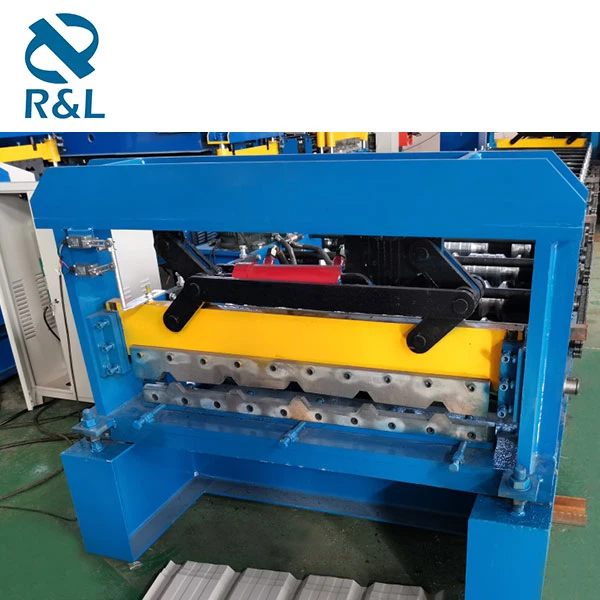
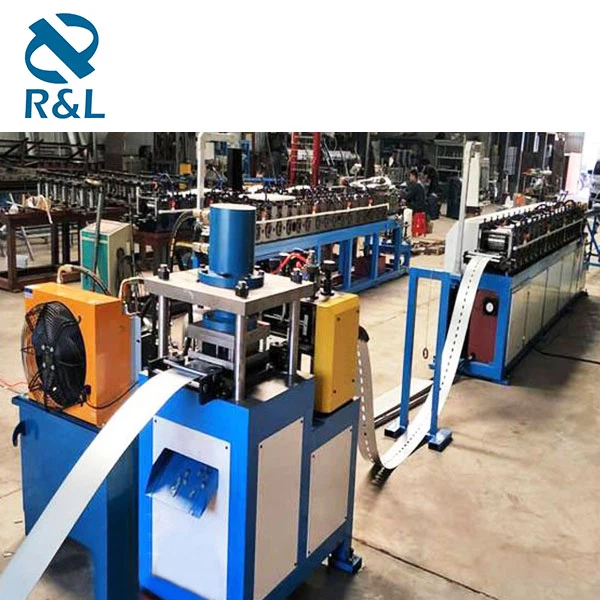
The size of the machine itself is a major factor. A small, portable metal roofing roll former might only take up an area of about 10 to 20 square feet. This is perfect if you're working in a tight space, like a small shed or a corner of a garage. These machines are often used by DIY enthusiasts or small businesses that don't have a lot of production volume.
However, if you're looking at a medium - sized industrial roll former, you're probably going to need anywhere from 50 to 100 square feet. These machines are more robust and can handle a wider range of materials and profiles. They usually come with additional features like automatic cutting systems and control panels, which take up some extra space.
For large - scale, high - speed metal roofing roll formers, the floor space requirement can be much higher. We're talking about 200 square feet or more. These machines are designed for mass production in large factories. They often have long in - feed and out - feed conveyors, as well as storage areas for raw materials and finished products.
Production capacity also plays a big role. If you want to produce a large number of roofing sheets per hour, you'll need a machine with a higher capacity. And higher - capacity machines are generally larger and need more space. For example, a machine that can produce 50 sheets per hour might be smaller than one that can produce 200 sheets per hour. The latter will require more room for the material handling systems and the faster - moving components.
Now, let's talk about the additional equipment that you might need to have around the metal roofing roll former. You'll need space for raw material storage. Metal coils, which are the main input for these machines, can be quite large and heavy. You'll need to have a dedicated area to store them safely. This area should be close to the machine for easy access but also far enough to avoid any interference with the operation of the roll former.
You'll also need space for the finished products. Once the roofing sheets are formed, they need to be stacked and stored until they're ready to be shipped or used. Depending on your production volume, this storage area can be quite large.
Safety is another important consideration when it comes to floor space. You need to have enough room around the machine for operators to move freely. There should be clear walkways and enough space to perform maintenance tasks. OSHA (Occupational Safety and Health Administration) has some guidelines on the minimum clearances around industrial machinery, and it's a good idea to follow these to ensure a safe working environment.
Let's take a look at some real - world examples. Suppose you're a small roofing contractor. You might be using a small, manual metal roofing roll former. You could set it up in a small workshop or even in the back of a van if you're doing on - site production. In this case, you can get away with a very small floor space, maybe just enough to fit the machine and a small area to store a couple of coils.
On the other hand, if you're running a large roofing manufacturing plant, you'll need a huge factory floor. You'll have multiple roll formers, along with all the associated equipment like cranes for moving the coils, conveyor systems, and large storage areas for raw materials and finished products.
If you're in the market for a metal roofing roll former, it's a good idea to plan your space in advance. Measure the area where you want to install the machine and make sure it meets the requirements. Also, consider the future growth of your business. If you expect to increase your production volume in the coming years, you might want to leave some extra space for larger machines or additional equipment.
Now, if you're interested in other types of roll - forming machines, we also offer Roof Tile Machine, Door Frame Making Machine, and Cable Tray Forming Machine. These machines also have their own floor space requirements, but we can help you figure out the best setup for your needs.
If you're thinking about purchasing a metal roofing roll former or any of our other machines, don't hesitate to reach out. We're here to answer all your questions and help you find the right machine for your business. Whether you're a small - scale contractor or a large - scale manufacturer, we have the expertise to guide you through the process.
In conclusion, the floor space required for a metal roofing roll former depends on many factors, including the type of machine, its size, production capacity, and additional equipment. By carefully considering these factors, you can ensure that you have the right amount of space for a safe and efficient operation. So, if you're ready to take your roofing production to the next level, contact us today and let's start the conversation!
References:
- Occupational Safety and Health Administration (OSHA) guidelines on industrial machinery clearances
- Industry reports on metal roofing roll - forming machine specifications and space requirements


