

Hey there! As a supplier of Profile Forming Machines, I often get asked about the replacement cycle of the wearing parts of these machines. It's a crucial topic because understanding this can save you a lot of time and money in the long run. So, let's dive right in and explore what the replacement cycle of the wearing parts of a Profile Forming Machine is all about.
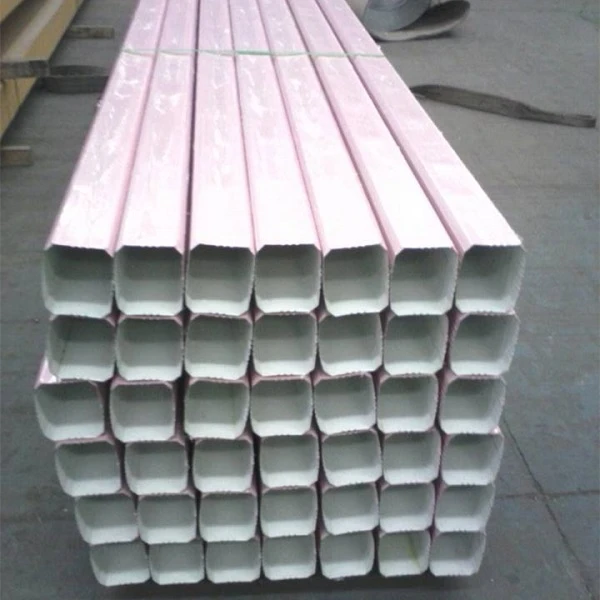
First off, let's talk about what Profile Forming Machines are. These machines are used to shape metal sheets into various profiles. They're super handy in industries like construction, automotive, and manufacturing. For instance, a Downspout Roll Forming Machine is a type of Profile Forming Machine that creates downspouts, which are essential for directing rainwater away from buildings. Similarly, a Water Tank Machine is used to make water tanks, and a Downpipe Machine is for producing downpipes.
Now, let's get to the wearing parts. Wearing parts are components of the machine that gradually wear out due to friction, pressure, and continuous use. Some common wearing parts in a Profile Forming Machine include rolls, cutters, bearings, and belts.
Rolls
Rolls are one of the most important wearing parts in a Profile Forming Machine. They're responsible for shaping the metal sheets into the desired profile. The replacement cycle of rolls depends on several factors.
- Material of the rolls: Rolls can be made from different materials like steel, alloy steel, or carbide. Steel rolls are more affordable but tend to wear out faster. Alloy steel rolls are more durable and can last longer. Carbide rolls are the most wear-resistant but also the most expensive. If you're using steel rolls, you might need to replace them every 3,000 - 5,000 production cycles. Alloy steel rolls can last for 8,000 - 10,000 cycles, while carbide rolls can go up to 15,000 - 20,000 cycles.
- Thickness and hardness of the metal sheets: If you're working with thicker and harder metal sheets, the rolls will experience more wear and tear. For example, if you're forming 3mm thick stainless steel sheets, the rolls will wear out faster compared to forming 1mm thick aluminum sheets. In such cases, you may need to reduce the replacement cycle by about 20 - 30%.
- Frequency of use: The more you use the machine, the faster the rolls will wear out. If your machine is running 24/7, you'll need to replace the rolls more frequently than if it's only used a few hours a day.
Cutters
Cutters are used to cut the formed profiles to the desired length. The replacement cycle of cutters also varies based on different factors.
- Cutting material: If you're cutting through softer metals like aluminum, the cutters will last longer. But if you're cutting through harder metals like stainless steel or high-strength steel, the cutters will wear out more quickly. On average, cutters used for aluminum can last for 5,000 - 7,000 cuts, while cutters for stainless steel may need to be replaced after 2,000 - 3,000 cuts.
- Cutting speed: A higher cutting speed can increase the wear on the cutters. If you're running the machine at a high speed to increase production, you'll need to replace the cutters more often. You can expect a reduction of about 15 - 20% in the replacement cycle for every 10% increase in cutting speed.
Bearings
Bearings are used to support the rotating parts of the machine, such as the rolls and shafts. They play a crucial role in ensuring smooth operation.
- Lubrication: Proper lubrication is essential for the longevity of bearings. If the bearings are not lubricated regularly, they will wear out faster. Bearings that are well-lubricated can last for 12 - 18 months, while those with poor lubrication may need to be replaced in 6 - 9 months.
- Load and speed: Bearings that are subjected to high loads and speeds will wear out more quickly. For example, if the machine is running at a high speed and processing thick metal sheets, the bearings will experience more stress. In such cases, you may need to replace the bearings every 8 - 10 months.
Belts
Belts are used to transfer power from the motor to the various components of the machine.

- Tension: If the belts are too loose, they will slip and wear out faster. If they're too tight, they can cause excessive stress on the motor and other components. Maintaining the proper tension is crucial. On average, belts can last for 6 - 12 months, but this can vary depending on the quality of the belts and the operating conditions.
So, how can you determine when it's time to replace the wearing parts? Here are some signs to look out for:
- Decrease in product quality: If you notice that the profiles are not being formed accurately or there are defects in the cut, it could be a sign that the rolls or cutters need to be replaced.
- Increased noise and vibration: Unusual noise and vibration can indicate that the bearings or belts are worn out.
- Machine performance: If the machine is running slower than usual or requires more power to operate, it could be due to worn-out parts.
To extend the replacement cycle of the wearing parts, you can take the following measures:
- Regular maintenance: This includes cleaning the machine, lubricating the moving parts, and checking for loose bolts and connections.
- Proper operation: Make sure the machine is operated within its recommended parameters. Avoid overloading the machine or running it at excessive speeds.
- Use high-quality parts: Investing in high-quality wearing parts can save you money in the long run as they tend to last longer.
In conclusion, the replacement cycle of the wearing parts of a Profile Forming Machine depends on various factors such as the type of part, the material being processed, the frequency of use, and the maintenance practices. By understanding these factors and taking appropriate measures, you can ensure the smooth operation of your machine and reduce downtime.
If you're in the market for a Profile Forming Machine or need more information about the wearing parts and their replacement cycle, don't hesitate to get in touch. We're here to help you make the right choice and keep your production running smoothly.
References
- "Handbook of Metal Forming" by Kalpakjian and Schmid
- "Roll Forming Technology" by the Roll Forming Association


