As a supplier of purlin forming machines, I get asked a lot of questions about how our equipment can fit into different production setups. One question that comes up time and time again is, "Can a purlin forming machine be connected to an automated production line?" The short answer is yes, it can, and in this blog post, I'll tell you all about it.
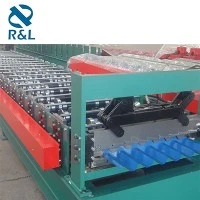
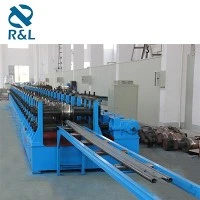
First off, let me explain what a purlin forming machine is. A purlin forming machine is a type of Roll Former Machine that's used to make purlins, which are horizontal beams that support roofs and walls in buildings. These machines take a flat sheet of metal and bend it through a series of rollers to create the desired purlin shape.
Now, onto the main question. Connecting a purlin forming machine to an automated production line offers a bunch of benefits. Automation means less manual labor, which can save you a ton of money in the long run. You don't have to pay as many workers, and you also reduce the risk of human errors. Plus, automated lines can run 24/7, boosting your overall production capacity.
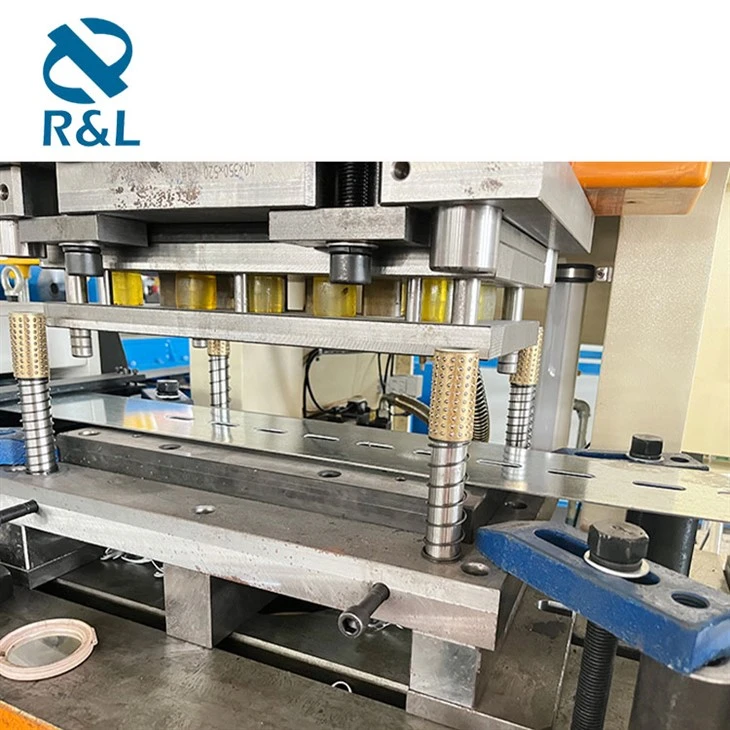

When it comes to making the connection, there are a few key things to consider. The first is the integration of controls. You need to make sure that the purlin forming machine can communicate with the other machines on the production line. Most modern purlin forming machines come with advanced control systems that can be easily programmed to work with other automated equipment. For example, you can set up the machine to start and stop at the right times, adjust the speed based on the overall line speed, and synchronize the material feeding process.
Another important aspect is the material handling. On an automated production line, materials need to flow smoothly from one machine to another. Purlin forming machines can be connected to conveyor systems that feed the raw metal sheets into the machine and transport the finished purlins out. This requires careful alignment and calibration of the conveyor speeds to ensure a continuous and efficient production process.
In addition to conveyor systems, you might also need to use robotic arms or other automated devices to perform tasks like cutting, stacking, and packaging. Many purlin forming machines can be configured to work in tandem with these additional automation tools. For instance, the machine can stop the production at a specific length, and a robotic arm can then cut the purlin and move it to a stacking area.
Let's take a look at some of the other types of machines that can be part of an automated production line along with the purlin forming machine. We have the Metal Stud Roll Forming Machine. Metal studs are similar to purlins in that they are used in construction for framing, and having an automated line that can produce both purlins and metal studs can be a real game - changer for your business.
Glazed Tile Making Machine is another option. If you're in the roofing business, having an automated line that includes a purlin forming machine and a glazed tile making machine can help you produce a complete roofing solution. The purlins can be made first, and then the glazed tiles can be produced and installed on top, all in an efficient and automated way.
Standing Seam Roll Former is also a great addition. Standing seam roofs are popular for their durability and aesthetic appeal. By connecting a standing seam roll former to your purlin forming machine on an automated production line, you can create a full - fledged roofing system.
And of course, Sheet Roll Forming is an essential part of many production lines. Sheet roll forming machines can make a variety of different products, and when combined with a purlin forming machine on an automated line, you have a very versatile setup that can produce multiple components for different construction projects.
There are also some challenges when it comes to connecting a purlin forming machine to an automated production line. One of the biggest ones is the initial setup. It takes time and expertise to get all the machines working together seamlessly. You need to hire technicians or engineers who have experience in automation and roll - forming technology.
Maintenance is another factor. With an automated production line, any downtime can be costly. So, it's crucial to have a regular maintenance schedule in place for the purlin forming machine and all the other equipment on the line. This includes checking the rollers, motors, and control systems to make sure they are in good working condition.
Despite these challenges, the benefits of connecting a purlin forming machine to an automated production line far outweigh the drawbacks. It allows you to increase your production efficiency, improve product quality, and stay competitive in the market.
If you're considering upgrading your production process by connecting a purlin forming machine to an automated line, I'm here to help. I've been in the business for a long time, and I can provide you with the right advice and the best products. Whether you need a new purlin forming machine or want to know more about integrating it into your existing production line, don't hesitate to reach out. Let's start a conversation and see how we can take your business to the next level.