

Hey there! As a supplier of Profile Forming Machines, I know firsthand how crucial it is to ensure the safety of operators when using these powerful pieces of equipment. Profile Forming Machines are widely used in various industries to shape metal sheets into different profiles, and while they offer great efficiency and precision, they also come with potential risks. In this blog, I'll share some practical tips on how to keep your operators safe when using a Profile Forming Machine.
Pre - operation Safety Checks
Before starting up the Profile Forming Machine, it's essential to conduct a thorough pre - operation check. First off, inspect the machine's physical condition. Look for any signs of damage, such as cracks in the frame, loose bolts, or worn - out parts. A damaged machine can not only affect the quality of the formed profiles but also pose a significant safety hazard.
Check the electrical system as well. Make sure all the wiring is intact and there are no exposed wires. Faulty electrical connections can lead to electric shocks or even fires. You should also ensure that the grounding of the machine is proper. This helps to prevent electrical accidents by providing a safe path for electrical current in case of a short - circuit.
Verify that all the safety guards are in place. Safety guards are designed to protect operators from moving parts, such as rollers, gears, and belts. They act as a barrier between the operator and the potentially dangerous components of the machine. If any safety guards are missing or damaged, replace them immediately before starting the machine.
Another important pre - operation step is to check the lubrication of the machine. Proper lubrication reduces friction between moving parts, which not only extends the lifespan of the machine but also prevents overheating. Overheating can cause parts to malfunction and increase the risk of accidents. So, make sure to lubricate all the necessary parts according to the manufacturer's instructions.
Operator Training
One of the most effective ways to ensure operator safety is through comprehensive training. All operators should receive proper training on how to operate the Profile Forming Machine safely. This training should cover everything from basic machine controls to emergency procedures.
During the training, operators should learn how to start and stop the machine correctly. They should also understand the functions of different buttons, switches, and levers. For example, they need to know which switch to use in case of an emergency stop.
Operators should be trained on how to load and unload materials safely. When loading metal sheets into the machine, they need to ensure that the sheets are properly aligned. Misaligned sheets can cause the machine to jam, which may lead to injuries if the operator tries to clear the jam without following the correct procedures.
Training should also include instructions on how to adjust the machine settings. Different profiles require different settings, such as roller pressure and speed. Incorrect settings can not only result in poor - quality profiles but also put the operator at risk. For instance, if the roller pressure is too high, it can cause the machine to overwork and potentially break down, endangering the operator.
In addition to technical training, operators should be educated about general safety rules. This includes wearing appropriate personal protective equipment (PPE). PPE such as safety glasses, gloves, and ear protection can protect operators from flying debris, sharp edges, and noise. They should also be taught to keep their work area clean and organized to prevent tripping hazards.
Machine Maintenance
Regular maintenance is key to keeping the Profile Forming Machine in good working condition and ensuring operator safety. A well - maintained machine is less likely to malfunction and cause accidents.
Scheduled maintenance should include tasks such as cleaning, inspection, and replacement of worn - out parts. Cleaning the machine helps to remove dirt, debris, and metal shavings that can accumulate over time. These particles can interfere with the machine's operation and cause damage to its components.
Inspection should be carried out on a regular basis. This involves checking the condition of all the parts, including rollers, gears, belts, and electrical components. Any signs of wear and tear should be noted, and the parts should be replaced if necessary. For example, worn - out rollers can affect the quality of the formed profiles and may also pose a safety risk if they break during operation.
It's also important to follow the manufacturer's recommended maintenance schedule. The manufacturer knows the machine best and can provide specific guidelines on how often maintenance tasks should be performed. By following these guidelines, you can ensure that the machine is always in optimal condition.
Emergency Preparedness
Despite all the precautions, emergencies can still happen. That's why it's crucial to have an emergency preparedness plan in place.
First, make sure that there are clearly marked emergency exits in the work area. Operators should know where these exits are and how to reach them quickly in case of an emergency.
The machine should be equipped with an emergency stop button that is easily accessible. Operators should be trained to use this button immediately in case of a dangerous situation, such as a jam or a malfunction.
There should also be a first - aid kit available in the work area. In case of minor injuries, operators can receive immediate first - aid treatment. It's important to train some of the operators in basic first - aid procedures so that they can provide assistance when needed.
Regular emergency drills should be conducted. These drills help to familiarize operators with the emergency procedures and ensure that they can respond quickly and effectively in a real - life situation.

Additional Safety Considerations
When using a Profile Forming Machine, there are some additional safety considerations that you should keep in mind. For example, make sure that the work area is well - lit. Poor lighting can make it difficult for operators to see what they're doing, increasing the risk of accidents.
Avoid overloading the machine. Each Profile Forming Machine has a maximum capacity, and exceeding this capacity can cause the machine to malfunction and pose a safety risk. Make sure to check the machine's specifications and only use it within its recommended limits.
If you're using a Profile Forming Machine in conjunction with other equipment, such as a Cold Roll Forming Machinery, make sure that there is proper coordination between the machines. This helps to prevent collisions and other accidents.
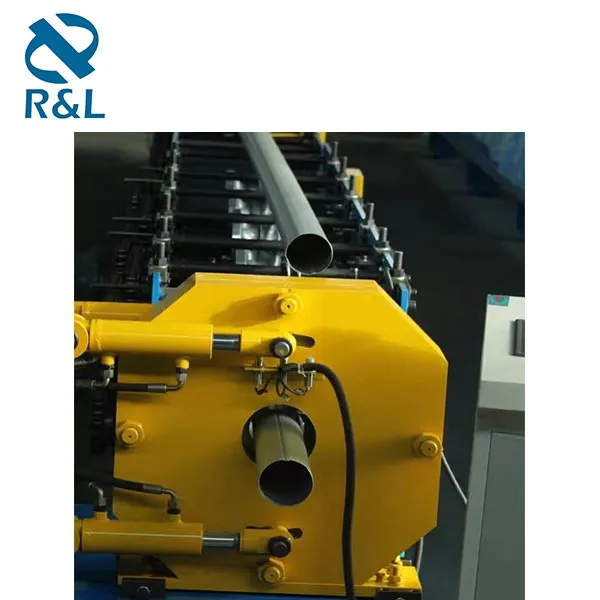
Also, be aware of the different types of Profile Forming Machines available. For example, a Stainless Steel Water Tank Making Machine may have different safety requirements compared to a standard Profile Forming Machine. Similarly, a Downspout Pipe Roll Forming Machine has its own unique features and safety considerations. Make sure to understand the specific safety guidelines for each type of machine.
Conclusion
Ensuring the safety of operators when using a Profile Forming Machine is a multi - faceted task. It involves pre - operation checks, operator training, regular maintenance, emergency preparedness, and additional safety considerations. By following these tips, you can significantly reduce the risk of accidents and create a safer work environment.
If you're in the market for a Profile Forming Machine or need more information on safety measures, don't hesitate to reach out. We're here to help you make the right choice and ensure that your operators can use the machine safely and efficiently.
References
- Industry safety standards and guidelines for Profile Forming Machines
- Manufacturer's manuals for Profile Forming Machines


