

The installation process of cold roll forming machinery is a critical phase that requires careful planning, precision, and adherence to specific guidelines. As a leading supplier of Cold Roll Forming Machinery, we understand the importance of a seamless installation to ensure optimal performance and longevity of the equipment. In this blog post, we will walk you through the step-by-step installation process of cold roll forming machinery, providing you with valuable insights and tips to make the installation process as smooth as possible.
Step 1: Site Preparation
The first step in the installation process is to prepare the site where the cold roll forming machinery will be installed. This involves ensuring that the floor is level, clean, and capable of supporting the weight of the equipment. It is recommended to use a concrete floor with a thickness of at least 4 inches to provide a stable foundation. Additionally, the site should have adequate space for the machinery, as well as for operators to move around safely.
Before installing the machinery, it is important to clear the area of any debris, obstacles, or other equipment that may interfere with the installation process. This will help to prevent accidents and ensure that the installation can be completed efficiently.
Step 2: Unpacking and Inspection
Once the site is prepared, the next step is to unpack the cold roll forming machinery and inspect it for any damage that may have occurred during transit. Carefully remove all packaging materials and check the equipment for any visible signs of damage, such as dents, scratches, or loose parts. If any damage is found, it is important to contact the supplier immediately to arrange for repairs or replacements.
In addition to checking for damage, it is also important to ensure that all components of the machinery are included in the shipment. Refer to the packing list provided by the supplier to verify that all parts are present and accounted for.
Step 3: Assembly of the Machinery
After the inspection is complete, the next step is to assemble the cold roll forming machinery. This typically involves bolting together the various components of the machine, such as the frame, rollers, drive system, and control panel. It is important to follow the assembly instructions provided by the supplier carefully to ensure that the machinery is assembled correctly.
During the assembly process, it is important to use the appropriate tools and equipment to ensure that the bolts are tightened to the correct torque specifications. This will help to prevent the machinery from vibrating or coming loose during operation, which can cause damage to the equipment and affect its performance.
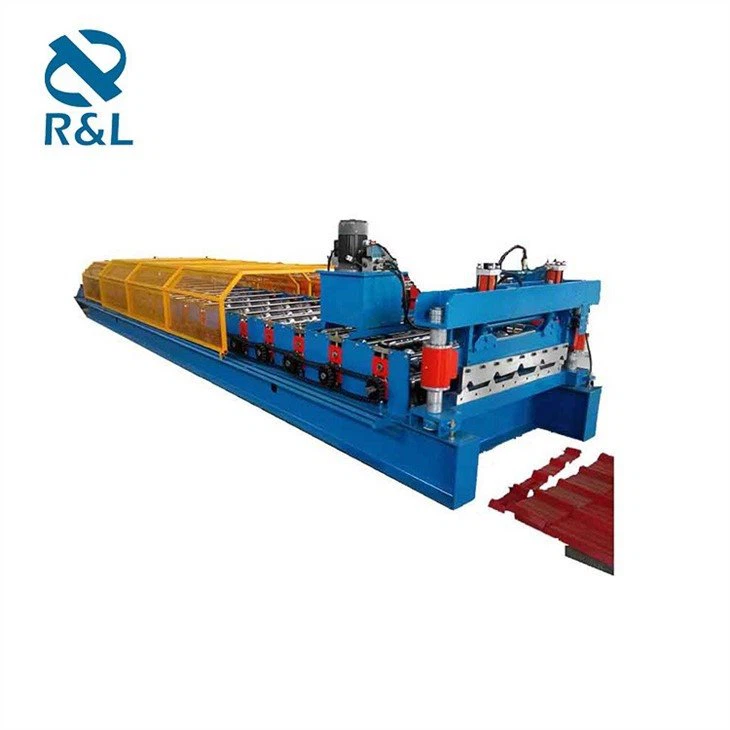

Step 4: Alignment of the Rollers
Once the machinery is assembled, the next step is to align the rollers. Proper roller alignment is crucial for ensuring that the metal sheets are formed accurately and consistently. To align the rollers, use a straightedge or laser alignment tool to check the alignment of the rollers along the length of the machine. Make any necessary adjustments to the roller positions to ensure that they are parallel and evenly spaced.
It is also important to check the alignment of the rollers in the vertical direction. This can be done by using a level to ensure that the rollers are level and not tilted. Any misalignment in the vertical direction can cause the metal sheets to be formed unevenly, resulting in poor quality products.
Step 5: Electrical and Hydraulic Connections
After the rollers are aligned, the next step is to make the electrical and hydraulic connections. This involves connecting the power supply, control panel, and hydraulic system to the machinery. It is important to follow the electrical and hydraulic wiring diagrams provided by the supplier carefully to ensure that the connections are made correctly.
Before making any electrical connections, it is important to ensure that the power supply is turned off and that all electrical components are properly grounded. This will help to prevent electrical shocks and ensure the safety of the operators.
Step 6: Lubrication and Maintenance
Once the electrical and hydraulic connections are made, the next step is to lubricate the moving parts of the machinery. This includes the rollers, bearings, and drive system. Use the lubricants recommended by the supplier to ensure that the machinery is properly lubricated and to prevent premature wear and tear.
In addition to lubrication, it is also important to perform regular maintenance on the cold roll forming machinery. This includes cleaning the machine, checking the tightness of the bolts, and inspecting the electrical and hydraulic systems for any signs of damage or wear. Regular maintenance will help to ensure that the machinery operates efficiently and reliably, and will extend its lifespan.
Step 7: Testing and Commissioning
After the lubrication and maintenance are complete, the next step is to test the cold roll forming machinery. This involves running the machine without any metal sheets to check for any abnormal noises, vibrations, or other issues. If any problems are found, it is important to troubleshoot and resolve them before proceeding with the next step.
Once the machine has been tested and is operating smoothly, the next step is to commission the machinery. This involves running the machine with metal sheets to produce the desired profiles. It is important to start with a small batch of metal sheets and gradually increase the production volume as the machine is adjusted and optimized.
Step 8: Training of the Operators
Finally, it is important to provide training to the operators who will be using the cold roll forming machinery. This includes training on the operation, maintenance, and safety procedures of the machine. The training should be provided by the supplier or a qualified technician, and should cover all aspects of the machine's operation, including how to load and unload the metal sheets, how to adjust the rollers, and how to troubleshoot common problems.
Proper training of the operators is crucial for ensuring that the cold roll forming machinery is used safely and efficiently. It will also help to prevent accidents and damage to the equipment, and will ensure that the operators are able to produce high-quality products consistently.
Conclusion
The installation process of cold roll forming machinery is a complex and critical task that requires careful planning, precision, and attention to detail. By following the steps outlined in this blog post, you can ensure that the installation process is completed smoothly and that the machinery operates efficiently and reliably.
If you are in the market for cold roll forming machinery, we invite you to explore our range of products, including the Metal Roofing Roll Former, Rain Gutter Roll Forming Machine, and Corrugated Roll Forming Machine. Our experienced team of professionals is available to assist you with the installation process and provide you with the support and training you need to get the most out of your equipment. Contact us today to learn more about our products and services and to discuss your specific requirements.
References
- Manufacturer's installation manual for cold roll forming machinery
- Industry standards and best practices for cold roll forming machinery installation


